Design Courses After 12th: Eligibility and Careers
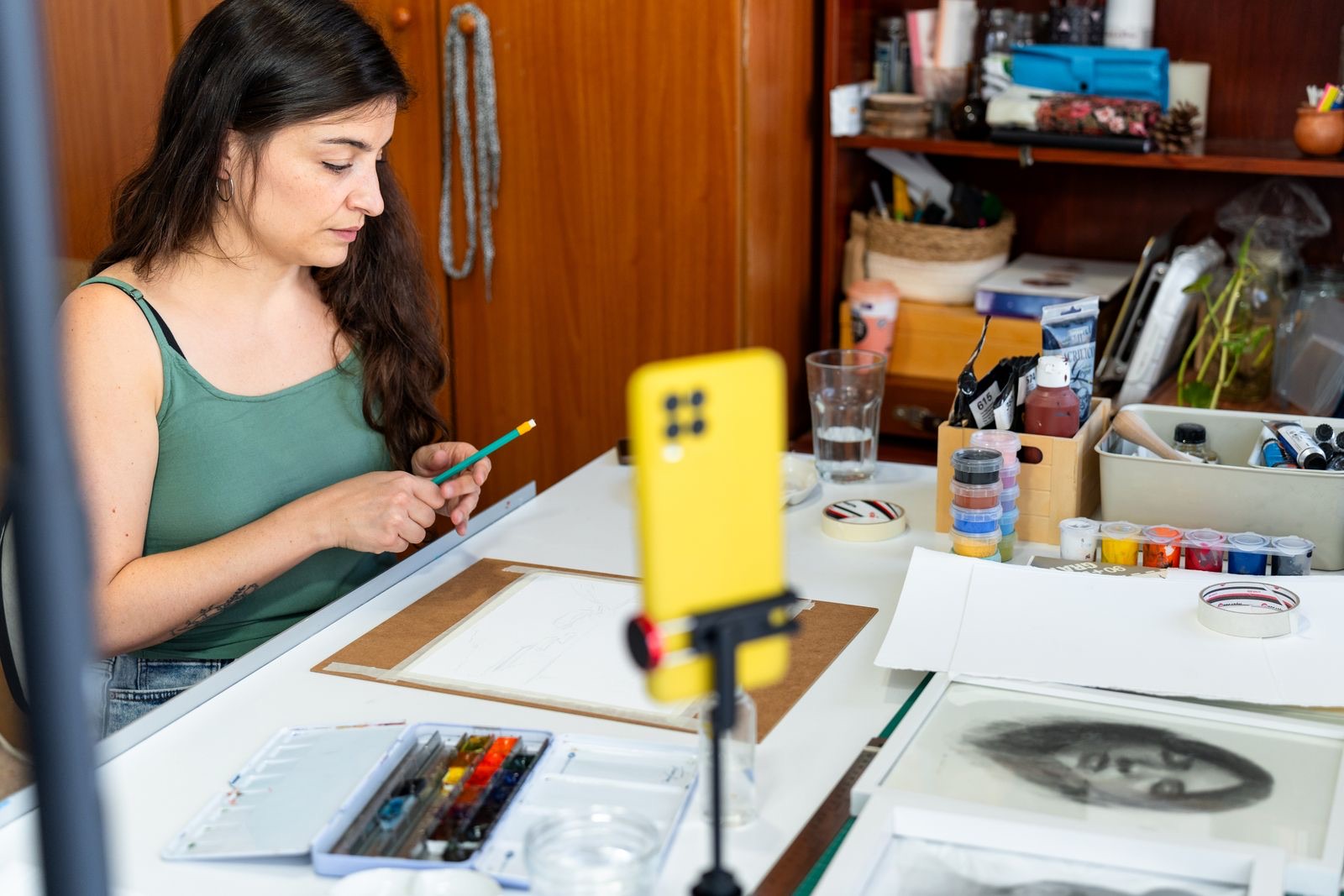
If you spend hours sketching, rearranging your room or redesigning apps in your head, you may already be thinking about design. The harder part is the decision that follows: which design courses lead where, whether your Class 12 stream matters and which entrance exams to sit before the deadlines pass. This guide gives an overview of the main disciplines, the admission routes and how to choose, with links to our deeper guides on individual fields.
Why choose design after Class 12?
Design is problem-solving with a visible result. A product designer improves how a kettle feels in the hand; a communication designer makes a hospital’s signs easy to follow; a game designer shapes how a player learns the rules. Design courses are studio-based: you learn by making, testing and presenting, with regular critiques rather than only written exams. Designers work closely with engineers, marketers and clients, so the work suits students who enjoy both creativity and structure.
Types of design courses
Type | Typical duration | Best for |
Bachelor of Design (B.Des) | 4 years | A full professional foundation and a specialisation |
B.Sc. or BFA in a creative field | 3 years, sometimes 4 | Animation, multimedia or fine arts with a design element |
Diploma | 1–3 years | Focused, skills-first training |
Certificate or short course | A few weeks to a year | Learning one tool or skill, or testing your interest |
A B.Des is the most complete route for students who want a design career. Diplomas and certificates can build skills quickly, but check who awards them and whether employers and universities recognise them before you pay.
Popular design specialisations
Communication and graphic design. Visual identity, typography, publications, information graphics and motion graphics. Our guide to graphic design after Class 12 covers this field in detail.
Product and industrial design. Objects people use, from furniture to medical devices, combining form, materials, ergonomics and manufacturing.
Fashion design. Garments, accessories, textiles and trend research. For eligibility and duration, read our guide to fashion design after Class 12.
Interior and space design. Interiors, exhibitions, retail spaces and museum layouts. This is different from architecture, which needs a separate, regulated degree; see our guide on how to become an architect after 12th.
UI/UX and interaction design. How apps, websites and devices feel to use, built on user research, prototyping and testing.
Animation and game design. Characters, worlds, motion and play mechanics. Our article on game design in India explains this area further.
Eligibility and admission
Stream and marks. Most B.Des programmes accept Class 12 from any stream: science, commerce or humanities. Minimum marks vary by institution, so check each programme page. At Presidency University, the B.Des Communication Design, B.Des Product Design, B.Des Fashion Design, B.Des Space Design and B.Des Game Design programmes are four years long and ask for a pass in Class 12 with at least 45% marks (40% for reserved categories).
Entrance exams. National institutes and many universities use their own tests. As of October 2026, the 2027 cycle is already open:
- UCEED 2027 (IIT Bombay, for B.Des at participating IITs and other institutes): exam on 17 January 2027; the regular-fee registration window is 1–31 October 2026, so check the website for any later window. Class 12 students from any stream can apply. Details are on the UCEED website.
- NID DAT 2027 (National Institute of Design): applications close on 30 November 2026 and the DAT Prelims are on 20 December 2026, followed by DAT Mains. See the NID admissions portal.
- NIFTEE 2027 (National Institute of Fashion Technology, conducted by the National Testing Agency): exam on 10 January 2027; applications close on 16 November 2026, or 21 November with a late fee. See the NTA NIFTEE page.
- University admissions: Many universities use their own aptitude test, interview or portfolio review. Presidency University’s Fashion Design page, for example, says there is no entrance exam but applicants may be asked to submit a portfolio.
Design curriculum and skills
Early semesters build drawing, colour, form, materials and design history. Later semesters move into specialisation studios, software, user research, prototyping and live projects, ending with a portfolio and a final project. The skills that matter most are observation, sketching to think, research, empathy for users, clear presentation and the ability to accept critique. Drawing helps, as our post on why live sketching matters in design explains, but you do not need to be a fine artist to begin.
Career options in design
Discipline | Example roles | Where designers work |
Communication | Graphic designer, brand designer, motion designer | Agencies, media, in-house brand teams |
Product | Industrial designer, design researcher | Manufacturers, consultancies, start-ups |
Fashion | Fashion designer, textile designer, merchandiser | Apparel brands, export houses, own labels |
Space | Interior designer, exhibition designer | Interior firms, retail, events, museums |
UI/UX | UX designer, interaction designer, UX researcher | Technology companies, banks, product teams |
Game and animation | Game designer, level designer, 3D artist | Game studios, animation and VFX studios |
Freelancing is common in design. It works best after a few years of experience, once you have a portfolio, clients who refer you and a clear way to price your work.
How to choose a design course
- Interest first: Try short projects in two or three fields before you pick a specialisation.
- Portfolio goals: Ask what students graduate with, and look at real final-year work.
- Facilities: Check the studios, workshops, labs and software you will actually use.
- Industry exposure: Ask about internships, live projects and visiting practitioners.
- Fit and cost: Compare duration, fees, location and recognition of the degree.
Frequently asked questions
Which design course is best after Class 12?
No single course suits everyone. Choose the discipline that matches the problems you enjoy solving. A four-year B.Des gives the broadest base and a specialisation.
Can students from any stream study design?
Yes. Most B.Des programmes, UCEED, NID DAT and NIFT’s B.Des programmes accept students from any stream. Check each institution’s marks requirement.
Which entrance exams are required for design courses?
UCEED, NID DAT and NIFTEE are the main national exams. Many universities run their own test, interview or portfolio review instead.
Is drawing compulsory for a design career?
Not to start, but sketching is a core design tool and most entrance tests include drawing or visualisation. Practise regularly before the exams.
What jobs are available after a design degree?
Graphic, brand, product, fashion, interior, UX, game and animation design roles, along with design research, merchandising and freelance work.
Conclusion
Start by choosing a discipline, then match it to the right course and admission route. Note the 2027 deadlines for UCEED, NID DAT and NIFTEE now, begin a simple portfolio and compare programme pages for eligibility, studios and internships. To see how a four-year programme is structured, explore the School of Design at Presidency University.


 +91 9022092222
 admission@presidencyuniversity.in
 Rajanukunte, Yelahanka, Bengaluru, Karnataka, Pin: 560119, India

 +91 9022092222