Graphic Design Courses After 12th: Options, Skills & Scope
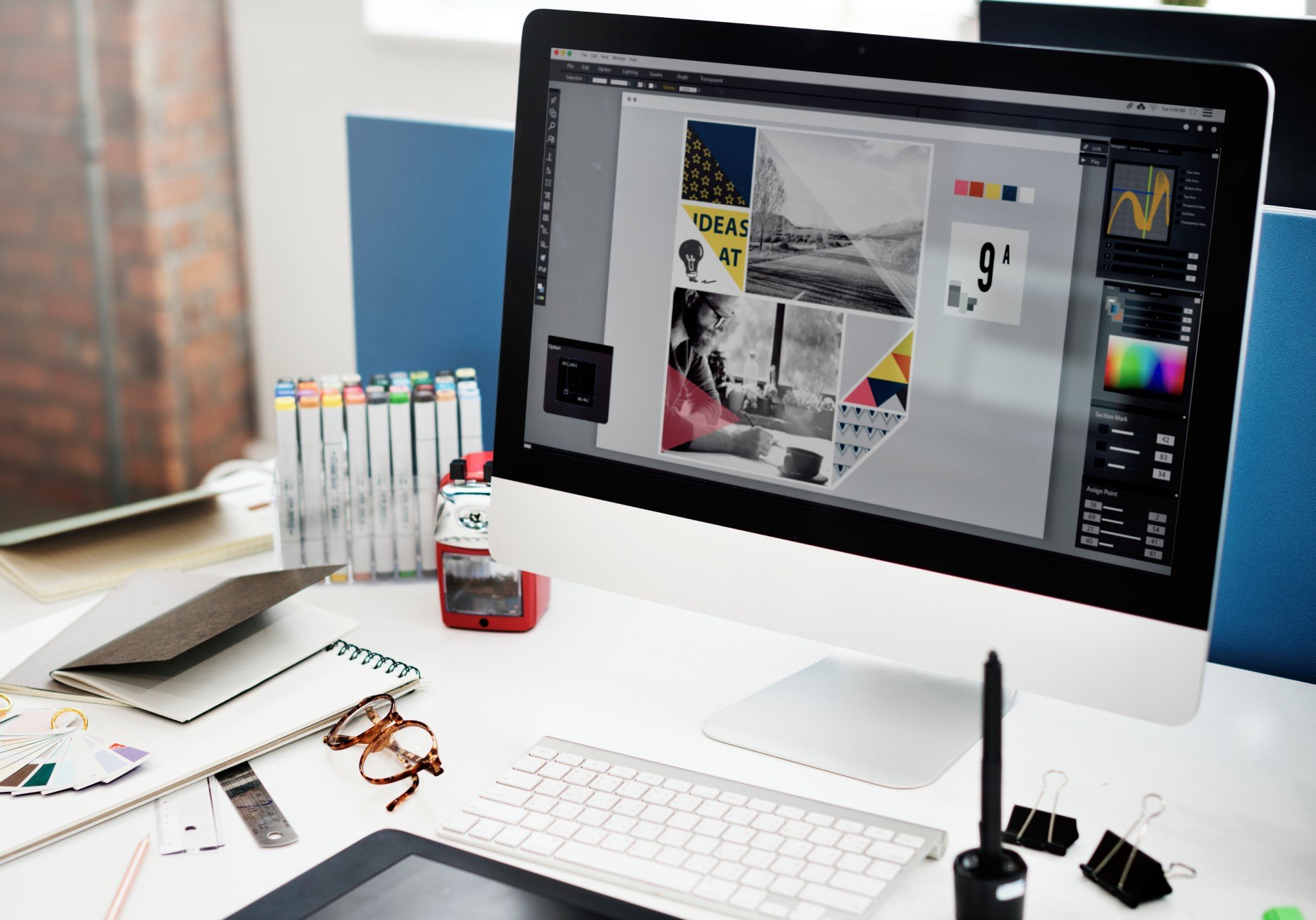
Look around for a moment. Almost everything carries a design that communicates something, whether you notice it or not. The app you open without thinking, the packaging on a snack bought between lectures, even the logo on a pair of trainers - each one tells a quiet story before any words appear.
Most students finishing Class 12 have only a vague sense of what design really involves, particularly graphic design. Many of us have been impressed by a strong film poster or stuck personalised prints on our walls. Graphic design, however, goes well beyond posters or simple image editing. Although the term is used freely, it remains a specialised area where creativity meets technology and business. An idea that begins in someone’s mind gradually becomes something people can see, understand and remember.
What is Graphic Design?
Graphic design is essentially visual communication. A designer takes an idea, a message or a problem and finds a visual means of expressing it. This might involve creating a brand identity, shaping an advertisement, planning a social media campaign, designing a website or producing an illustration. The aim is not merely to make things look attractive. Effective design helps people understand information more easily. Strong design can also create an emotional response or leave a lasting impression. For this reason designers are employed across advertising, media, technology, fashion, entertainment and many areas of business.
Can You Study Graphic Design After 12th?
Yes. Graphic design courses after 12th remain a practical choice regardless of the stream followed at school. Students may select a bachelor’s degree, a diploma or a shorter online programme according to the depth and duration they prefer. Graphic design course eligibility is generally open: most institutes accept applicants from any stream after Class 12. Anyone who has wondered whether this route is realistic after school can take the answer as a clear yes.
Who Should Choose Graphic Design?
It is not essential to have drawn constantly since childhood. Quite a few established designers in India developed their ability through consistent practice rather than early brilliance. Curiosity and patience matter more. Design rarely succeeds perfectly at the first attempt. You produce something, examine it, notice what feels unsatisfactory, adjust it and try again. The capacity to observe, question and refine often proves more useful than natural drawing talent.
Types of Graphic Design Courses After 12th
A bachelor’s degree offers a structured and fairly thorough introduction. Courses such as B.Des or undergraduate programmes in graphic, communication or visual design usually cover typography, illustration, branding, visual communication, design theory and the principal digital tools.
Diploma programmes are typically shorter and more practice-oriented. Certificate courses allow exploration of a particular area without a lengthy commitment. Online options have increased accessibility. Still, a course should not be chosen simply because it leads to a certificate. Preference should go to programmes that require students to create work and receive feedback. A certificate records completion; a portfolio demonstrates capability.
Skills You Need to Build
Software forms only one part of the process. A design tool can be learned reasonably quickly, yet learning to think as a designer takes longer. Students need to develop a working understanding of colour, typography, layout, spacing, hierarchy and visual balance, along with the ability to turn an unclear brief into a coherent visual solution. It is equally important to accept that the first idea is seldom the strongest. Design proceeds through repetition: produce, review, revise, improve. Those successive projects eventually form a portfolio.
Where Can Graphic Design Take You?
Consider a company such as Apple. Recognition does not depend on seeing the word “Apple”. The logo is only one element. Typography, colours, photography, packaging and restrained layouts all contribute to a consistent world. That consistency illustrates the power of visual identity and represents just one possible direction within graphic design.
Branding and Visual Identity
A brand extends beyond its logo. It is a personality constructed through visual decisions. Brand designers work with type, colour, imagery, packaging and layout so that every element supports the same narrative. The work involves deciding not only how a brand appears but how it feels and communicates.
UI and UX Design
The same principles apply to a phone or computer screen. Each time an app or website is opened, earlier decisions determine what appears first, where a button sits and how readily information can be found. UI concerns the visual and interactive layer of a digital product; UX addresses the broader experience. The field suits those who enjoy combining creativity, technology and practical problem-solving.
Motion Graphics
Certain designers prefer work that moves. A static poster can be given motion: a word appears, an image shifts, one frame replaces another. That is motion graphics. Practitioners combine graphic design, animation and video to produce advertisements, film titles, social media content and digital experiences, drawing on typography, composition, colour, storytelling, movement and timing.
Illustration
Others prefer to begin with a blank surface. Illustration offers a different route for students who enjoy drawing and visual storytelling. Illustrators create work for books, magazines, brands, films, games and digital products. Technical perfection is less critical than distinctive style, imagination, careful observation and the ability to convey a narrative. Over time an illustrator’s approach can become recognisable in its own right.
Advertising and Packaging Design
Advertising places heavy demands on graphic design. A designer may have only a few seconds to interrupt scrolling, attract attention on a billboard or make a product noticeable on a shelf. The challenge is to convey an idea without creating visual clutter. Packaging faces similar pressure. In a supermarket, dozens of products compete on the same shelf. The reasons one pack stands out while another is overlooked involve colour, typography, composition, imagery, a degree of psychology and a clear sense of the eventual viewer.
This leads to a useful reminder: successful design is not solely about visual appeal. It must also function. A piece can look refined yet still fail if its intended message remains unclear.
Career Options After Graphic Design Courses
Possible roles include graphic designer, brand designer, UI designer, visual designer, illustrator, motion graphics designer, packaging designer or advertising designer. Work may be found in studios, agencies, technology firms, media organisations or in-house teams. Some practitioners operate independently and later establish their own practice. With experience, progression into art director or creative director positions becomes possible, involving larger ideas, campaigns and visual systems. A graphic design career after 12th can begin modestly and develop along several paths. Graphic designer salary in India varies according to experience, location and employer, though designers who build strong portfolios generally encounter consistent demand.
Scope of Graphic Design After 12th
Visual communication continues to expand. Brands compete for attention on every screen, and digital products rely on countless design decisions. Competition exists, and a course by itself will not produce outstanding designers. Those who progress tend to keep learning, testing ideas and producing work. Portfolio development need not wait until college ends. A café menu can be redesigned, a fictional brand invented, a poster created for a non-existent film, or a frequently used app reimagined. A client is not required in order to begin. An idea and the willingness to explore it are sufficient.
Conclusion
Deciding on a direction after Class 12 can feel permanent, yet it need not be restrictive. Graphic design leaves room to explore branding, UI/UX, illustration, motion graphics, advertising or an individual combination of these. Tools, styles and technology will continue to change. The capacity to recognise an idea, understand a problem and express it visually remains valuable. It is not necessary to wait until college before beginning to work as a designer. That process can start immediately.


 +91 9022092222
 admission@presidencyuniversity.in
 Rajanukunte, Yelahanka, Bengaluru, Karnataka, Pin: 560119, India
 +91 9022092222