Fashion Designing Courses After 12th: Eligibility, Duration and Career Scope
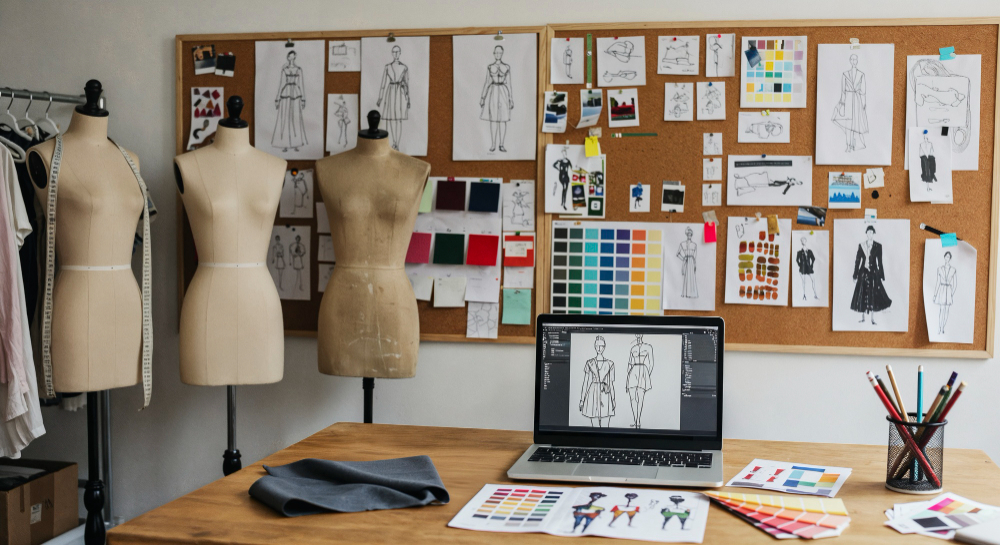
Fashion designing is a really exciting field. It's where creativity meets everyday trends and a bit of business savvy. For students who've just finished their 12th exams, jumping into fashion designing courses feels like the right timing for many. The Indian apparel market is expanding quickly, hitting around USD 120 billion this year, with growth fuelled by online shopping, more spending money in pockets, and everyone talking about sustainable options these days.
Courses like this really build the foundations, teaching everything from initial sketches to how clothes end up in stores, and they often lead to jobs that are genuinely enjoyable and full of variety.
What Is Fashion Designing and Why Pursue It After 12th?
In simple terms, fashion designing covers creating clothes, accessories, footwear, etc., pretty much anything that is worn. It all starts with ideas on paper, moves to selecting materials, sorting production, and finally marketing the pieces.
India's fashion world is unique because it blends traditional crafts, like beautiful hand embroidery or weaving, with current global styles, heavily influenced by movies and influencers. Many people opt for fashion designing courses after 12th because it allows starting young, when ideas flow freely. It helps in quickly building a portfolio, getting those crucial internships, and staying ahead in trends like eco-friendly fabrics or computer-aided designs, which are everywhere now.
Types of Fashion Designing Courses After 12th
When looking at types of fashion designing courses, there's a good mix of choices suiting different timelines and interests. Some of them are:
Diploma in Fashion Designing
These courses run for about 1 to 2 years and are quite practical. You will explore different concepts like sewing, pattern drafting, and creating small collections. The course is perfect for someone who wants to get out there working or freelancing without too much delay.
Bachelor of Design (B.Des Fashion Design)
This is the one course most people go for. The b des fashion design program is a solid four-year degree going deep into design basics, textiles, fashion history, and even some marketing. There's usually scope to specialise later, which is handy for future jobs.
Bachelor of Fashion Technology
This one is four years too, but more focused on the technical bits like how garments are produced, quality checks, integrating tech. It appeals if the making process excites more than just drawing.
Certificate Courses
Certificate courses are shorter, say 6 months to a year, zeroing in on specifics like illustration or styling. These are good as a quick trial or to add to existing skills.
So, as we saw, these fashion designing courses after 12th offer flexibility. You can choose deeper degrees for long-term growth, and quicker ones for faster entry.
Eligibility Criteria for Fashion Designing Courses After 12th
The eligibility criterias are not overly strict. Generally, a pass in 12th from any stream (Arts, Commerce, Science) with at least 45-50% marks helps you get in, and sometimes lower for reserved categories. Some sketching skills are helpful, though not essential everywhere.
For the top programmes, entrances are common:
- NIFT tests that focus on creativity alongside general stuff;
- NID that really digs into innovative thinking;
- UCEED for the IIT-linked spots.
Private universities have their own tests, and often, they will also want to see a portfolio, a personal statement, or chat in an interview to gauge real passion.
Course Duration & Curriculum Overview
The full B.Des is four years, and diplomas and certificates are shorter. Most fashion designing courses after 12th combine theory with a lot of practical studio time. You will learn things like:
- Pattern making, turning ideas into wearable shapes.
- Fashion illustration to sketch concepts vividly.
- Textile studies, including fabrics, dyes, and sustainability.
- Using CAD software for digital work.
- Marketing aspects like branding, trends, and reaching customers.
Semesters involve projects, later internships, and typically a big final show showcasing personal collections.
Skills Required to Build a Successful Fashion Career
The skills required are usually a mix: some natural and others learnt, like:
- Creativity to spark new ideas.
- Visual skills for clear communication of designs.
- Thinking like a designer to tackle problems smartly.
- Technical hands-on with construction and tools.
Staying on top of trends, adapting fast, and networking widely all are very important.
Career Scope After Fashion Designing Courses
After you complete one of the above courses, a lot of paths open up like the following:
Fashion Designer
As a fashion designer, you will put together collections for brands or personal labels.
Fashion Stylist
A fashion stylist usually assembles outfits for shoots, celebrities, events.
Apparel Designer
An apparel designer concentrates on daily wear or particular niches.
Costume Designer for Films/TV
This career path offers huge opportunities, and you could work for Bollywood and streaming shows.
Fashion Merchandiser
A fashion merchandiser handles trends, inventory, and retail decisions.
Entrepreneur (Boutique/Brand Owner)
As an entrepreneur, you can start something on your own, which is much easier now with social media and online sales. Fields like sustainable fashion and e-commerce are especially growing now..
Salary Expectations in Fashion Designing
Salaries vary with experience, city, and employer. Beginners often see ₹3-5 lakhs annually, more if from a reputed place. After five years or so, ₹8-15 lakhs is common, higher in metros or with major brands. Export work or successful own ventures can mean significantly more.
Why Choose Presidency University for Fashion Designing?
The fashion design programme at Presidency University stands out because it’s built to turn passionate students into confident, job-ready designers. The curriculum covers everything thoroughly, encouraging creative thinking while keeping things practical and up-to-date.
The campus has excellent facilities like modern studios, well-equipped labs, and faculty who actually know the industry inside out. What makes the learning experience special is the strong emphasis on hands-on experience: there are regular workshops, sewing and draping lab sessions, mandatory internships, and projects that feel like real client work.
The whole approach revolves around innovation and design thinking, so by the time students graduate, they’re not just good at sketching or pattern-making, but they have the technical skills, creative confidence, and professional mindset needed to thrive in the fast-paced fashion world.


 +91 9022092222
 admission@presidencyuniversity.in
 Rajanukunte, Yelahanka, Bengaluru, Karnataka, Pin: 560119, India
 +91 9022092222