B.Sc. Courses After 12th: Specialisations and Eligibility
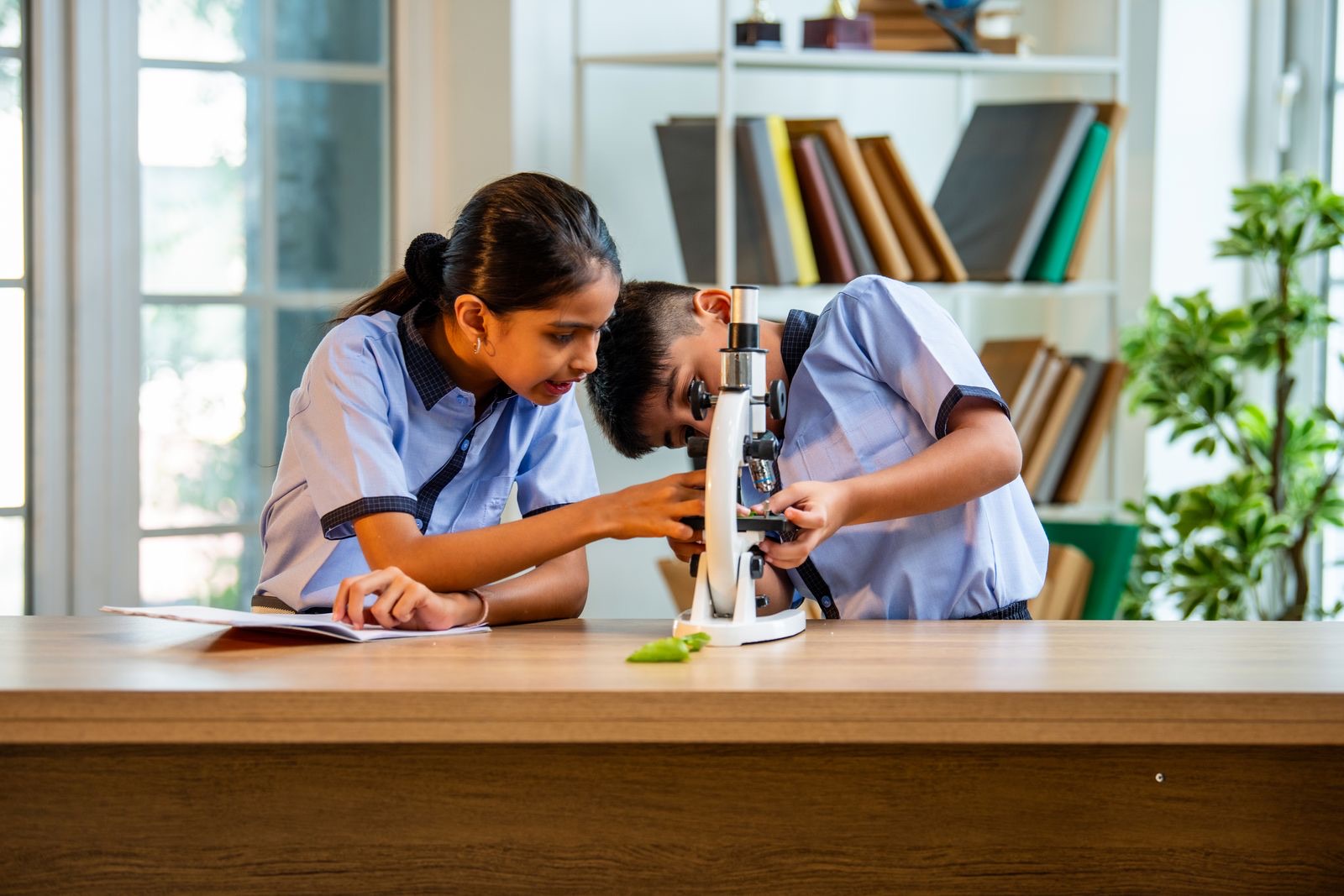
Not every science student wants engineering or medicine, and many parents worry that anything else is a “second choice”. It is not. A Bachelor of Science lets you study a subject in depth, build laboratory and analytical skills and keep research, industry and professional routes open. The challenge is choosing among dozens of B.Sc. courses after 12th. This guide sorts them by your Class 12 subjects, explains eligibility and shows how to choose.
What is a B.Sc. degree?
A B.Sc. is an undergraduate science degree that usually takes three years. Under the National Education Policy 2020 and the University Grants Commission (UGC) curriculum framework, many universities also offer a four-year B.Sc. (Honours) or Honours with Research, which adds advanced courses and a research project in the final year. A few professional science degrees, especially in allied health, run for four years including clinical training.
If you are deciding between formats, our guide to B.Sc. (Hons) vs B.Sc. compares them in detail.
B.Sc. courses for PCM students
Students with Physics, Chemistry and Mathematics can choose from:
- B.Sc. Physics, Chemistry or Mathematics: Core sciences that lead naturally to M.Sc., research and teaching
- B.Sc. Statistics: Data, probability and modelling, useful in analytics, insurance and research
- B.Sc. Computer Science: Programming, data structures, databases and software development
- B.Sc. Data Science or AI: Mathematics, statistics and programming applied to large datasets
- B.Sc. Electronics: Circuits, devices and embedded systems
At Presidency University, the B.Sc. in Computer Science is a three-year programme that requires Mathematics in Class 12 and at least 40% aggregate. The B.Sc. in AI, Data Science and Cloud Computing asks for at least two subjects from Mathematics, Computer Science, Statistics or Physics, with 40% aggregate. Our guide to B.Sc. Computer Science careers looks at where that degree leads.
B.Sc. courses for PCB students
Students with Physics, Chemistry and Biology have a wide range of options:
- B.Sc. Biology, Zoology or Botany: Living systems, ecology and laboratory techniques
- B.Sc. Biotechnology and Microbiology: Molecular biology, genetics and industrial applications
- B.Sc. Biochemistry: The chemistry of living things, a base for pharmaceutical and diagnostic work; see our sibling guide to biochemistry courses after 12th
- Allied health sciences: Medical laboratory technology, imaging, cardiac care and operation theatre technology, which combine science with clinical training
Presidency University’s B.Sc. in Cardiac Care Technology is a four-year programme including a one-year clinical internship, and asks for a science-stream Class 12 with at least 50% in PCMB and a pass in English; its FAQ also mentions PCM or PCB, so confirm your subject combination with admissions. The university also offers the four-year Bachelor of Medical Radiology and Imaging Technology (B.MRIT), which requires Physics, Chemistry, Biology and English with at least 50%. For a broader view, read our guides to biology courses after 12th, medical courses without NEET and how to become a medical lab technician.
Interdisciplinary B.Sc. options
Some of the most interesting programmes cross traditional boundaries:
- Environmental science: Climate, pollution, conservation and sustainability
- Forensic science: Science applied to legal investigation
- Psychology: Human behaviour studied with scientific methods
- Multimedia and animation: Creative technology and digital production
- Geology, geography and earth sciences: Landforms, resources and natural hazards
Some of these accept students from any stream. Presidency University’s B.Sc. Psychology accepts Class 12 from arts, science or commerce with at least 45%, and its B.Sc. Multimedia and Animation asks for 40% aggregate. If psychology interests you, see our comparison of B.A. Psychology and B.Sc. Psychology.
Eligibility and admission
Required subjects. Most B.Sc. programmes require the related science subjects in Class 12: Mathematics for computer science, statistics and physics; Biology for life sciences; and Physics, Chemistry and Biology (sometimes Mathematics too) for allied health. Interdisciplinary programmes may be more flexible.
Marks. Minimum aggregates typically range from 40% to 50% and vary by programme and category, so always read the programme page.
Entrance exams. Central universities and many others admit through the Common University Entrance Test (CUET-UG), conducted by the National Testing Agency. Other universities use Class 12 marks, their own entrance test or an interview. Allied health programmes may follow additional national rules, so check the admission notice for your year.
How to choose a B.Sc. specialisation
- Interest: Pick the subject you enjoy studying for its own sake. You will spend three or four years on it.
- Laboratory exposure: Ask how many hours you will spend in labs, which equipment you will use and whether projects are included.
- Career goals: Research suits pure sciences; industry roles often favour applied subjects; clinical roles need allied health programmes.
- Three or four years: The four-year honours route suits students considering research or a PhD.
Careers and higher studies
Entry-level roles for B.Sc. graduates include laboratory assistant, quality control analyst, data analyst, research assistant, technical writer and clinical technologist, depending on the specialisation. Many graduates continue to an M.Sc., and the UGC’s doctoral rules allow graduates of a four-year bachelor’s programme to apply directly for a PhD if they have at least 75% marks in aggregate or an equivalent grade. Others move into professional programmes such as an MBA or MCA. Our guide to the best courses after 12th science compares B.Sc. with other science pathways.
Frequently asked questions
Which B.Sc. course is best after Class 12?
The best course matches your Class 12 subjects, interests and goals. Computer science and data science suit mathematics lovers; biotechnology, biochemistry and allied health suit biology students.
Can commerce or arts students pursue a B.Sc.?
Yes, for some programmes. B.Sc. Psychology, multimedia and some interdisciplinary courses accept any stream. Core science and allied health programmes need specific science subjects.
What is the eligibility for B.Sc. admission?
Usually a pass in Class 12 with the relevant subjects and a minimum aggregate, often 40–50%. Some universities also require CUET-UG or their own entrance test.
Is a three-year or four-year B.Sc. better?
Neither is better for everyone. A three-year B.Sc. gets you into work or a master’s sooner. A four-year honours or research degree suits students aiming for research or a direct PhD.
What can I do after completing a B.Sc. degree?
You can take an entry-level job, study for an M.Sc. or another master’s degree, enter research or move into a professional programme such as an MBA or MCA.
Conclusion
Start with your Class 12 subjects, shortlist two or three specialisations you genuinely enjoy and compare eligibility, laboratory time and duration. Decide early whether you want the four-year honours route, and check CUET-UG or university entrance dates for your admission year. Then read each programme page carefully before applying.


 +91 9022092222
 admission@presidencyuniversity.in
 Rajanukunte, Yelahanka, Bengaluru, Karnataka, Pin: 560119, India

 +91 9022092222