How to Become a Medical Lab Technician After 12th: Steps
Doctors depend on laboratory reports for most diagnoses, from a simple blood count to tests for infections and cancer. If you are a Class 12 science student wondering how to become a medical lab technician, this guide explains the recognised courses, eligibility, training and careers, including rule changes as of October 2026.
What does a medical lab technician do?
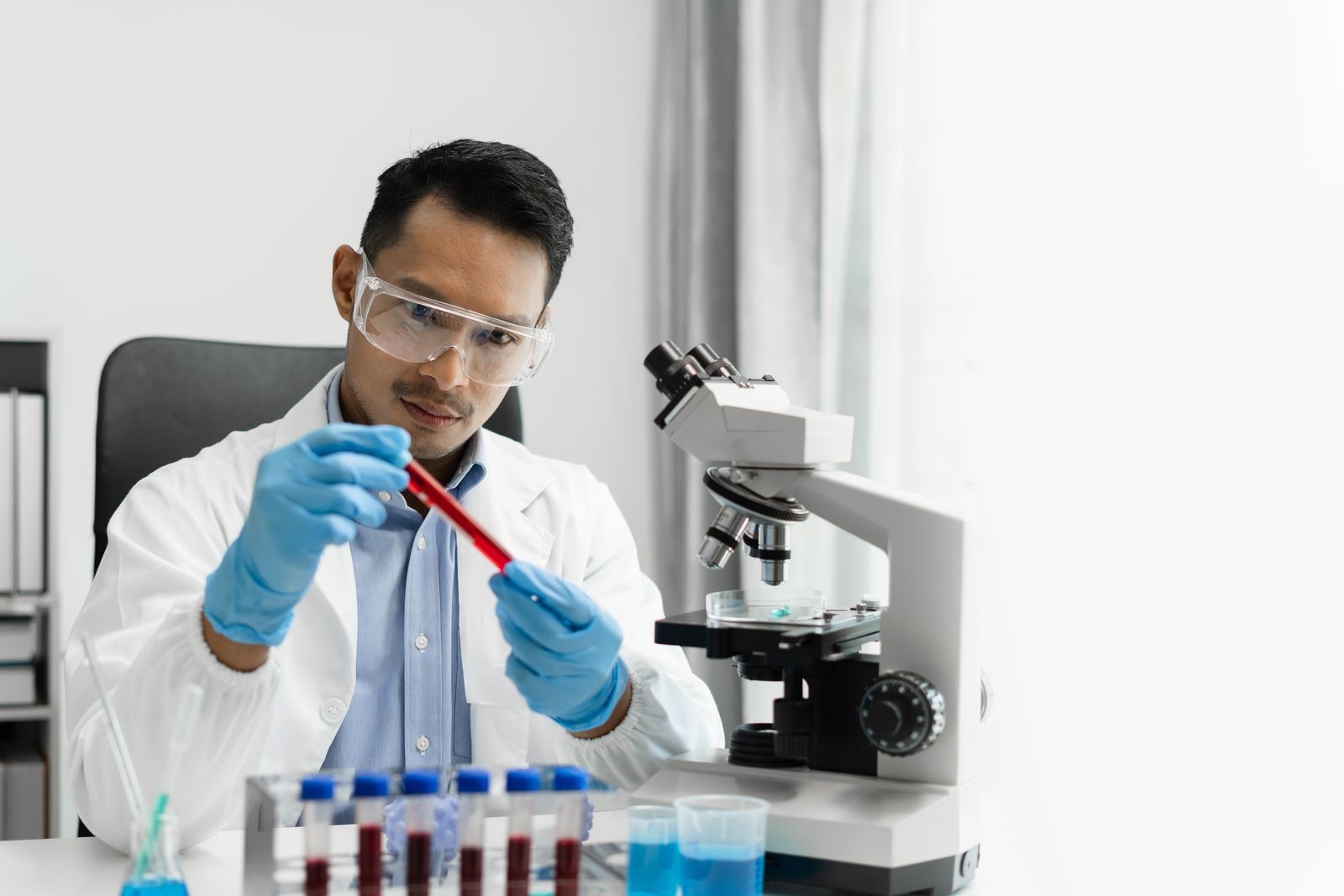
Medical laboratory professionals test samples of blood, urine, tissue and other body fluids so that doctors can diagnose and monitor disease. They collect blood (phlebotomy), handle samples, run tests by hand and on automated analysers, report results and run quality controls.
Eligibility after Class 12
Medical laboratory science is recognised under the National Commission for Allied and Healthcare Professions (NCAHP) Act, 2021, and NCAHP’s national curricula set these entry requirements:
- DMLT: Class 12 with Physics, Chemistry and Biology, a minimum age of 17, admission on merit and a medical fitness certificate, according to the NCAHP DMLT curriculum
- Bachelor’s degree: Class 12 with at least 50% in Physics, Chemistry and Biology, a minimum age of 17 by 31 December of the admission year and a physical fitness certificate, according to the NCAHP medical laboratory sciences curriculum
Institutions may add their own marks and domicile rules, so read each admission notice.
Medical lab technology courses
Course | Duration | What it prepares you for |
Short certificate courses (for example phlebotomy) | A few months | Limited support tasks such as sample collection, under supervision |
DMLT (Diploma in Medical Laboratory Technology) | 2 years, including six months of clinical laboratory posting | Medical laboratory associate, laboratory technician or assistant, phlebotomy technician |
BMLS (Bachelor of Medical Laboratory Science) | 4 years, including a 1-year compulsory internship | Medical laboratory scientist, with wider responsibility and higher-study options |
You may still see the degree called B.Sc. MLT or BMLT, but under NCAHP’s curriculum it is now Bachelor of Medical Laboratory Science (BMLS), and the University Grants Commission listed it as a four-year degree in its August 2026 notification. DMLT holders can join the second year of BMLS through lateral entry, which is limited to 10% of seats.
Admission process
1. Check the entrance rule for your year. NCAHP’s curriculum lists appearing in NEET-UG as a condition for BMLS admission, along with a merit list based on Class 12 marks. In 2026–27, states and universities applied this differently. If you plan to apply for a BMLS in 2027–28, register for NEET-UG to keep your options open.
2. Apply to recognised institutions. DMLT seats are usually filled on Class 12 merit. Degree seats may go through state counselling, university tests or NEET-based merit.
Subjects, training and skills
The NCAHP curricula cover pathology and histopathology, microbiology, biochemistry, haematology, immunology, serology and blood banking, and quality assurance and laboratory management. Training is heavily practical, through clinical postings in the DMLT and a final-year internship in the BMLS.
The work demands accuracy, because a wrong label can lead to a wrong diagnosis, along with biosafety discipline and clear communication with patients and doctors.
Registration and careers
Professional registration is moving to State Allied and Healthcare Councils under the NCAHP Act. In October 2026, NCAHP notified regulations for the boards that will verify documents and recommend registration, so check your state council’s process. Entry-level roles, usually as a technician or phlebotomist, are found in:
- Hospitals and diagnostic laboratories
- Blood banks: grouping, cross-matching and donor screening
- Research and public health laboratories: disease surveillance and clinical trials
- Industry: diagnostic kit companies and pharmaceutical quality control
BMLS graduates can later take a two-year Master of Medical Laboratory Science (M.MLS).
If you enjoy laboratory science but are still choosing a degree, read our guide to biochemistry courses after 12th. For other allied-health routes, see our list of paramedical courses after 12th.
Presidency University does not offer a medical laboratory programme. Its School of Allied and Healthcare Professions offers other diagnostic technology degrees, such as the Bachelor of Medical Radiology and Imaging Technology and the B.Sc. in Cardiac Care Technology. These are different professions from laboratory work.
Frequently asked questions
Which course should I take to become a medical lab technician?
A DMLT is the quickest recognised route to technician roles. A BMLS opens wider responsibilities and postgraduate study.
Can I pursue DMLT after Class 12?
Yes, with Physics, Chemistry and Biology in Class 12 and a minimum age of 17.
How long does medical lab technician training take?
Two years for a DMLT, including clinical postings, or four years for a BMLS, including a one-year internship.
Conclusion
Choose a DMLT if you want the quickest recognised route into laboratory work: two years after Class 12 with PCB. Choose a BMLS if you want a scientist-level role and the option of a master’s; DMLT holders can still move up through lateral entry. Before you apply, confirm that the institution is recognised and follows the NCAHP curriculum, check whether NEET-UG applies to BMLS admission in your state and year (register if in doubt) and find out how your state council will handle registration.


 +91 9022092222
 admission@presidencyuniversity.in
 Rajanukunte, Yelahanka, Bengaluru, Karnataka, Pin: 560119, India

 +91 9022092222