Paramedical Courses After 12th: Full List With Scope & Salary
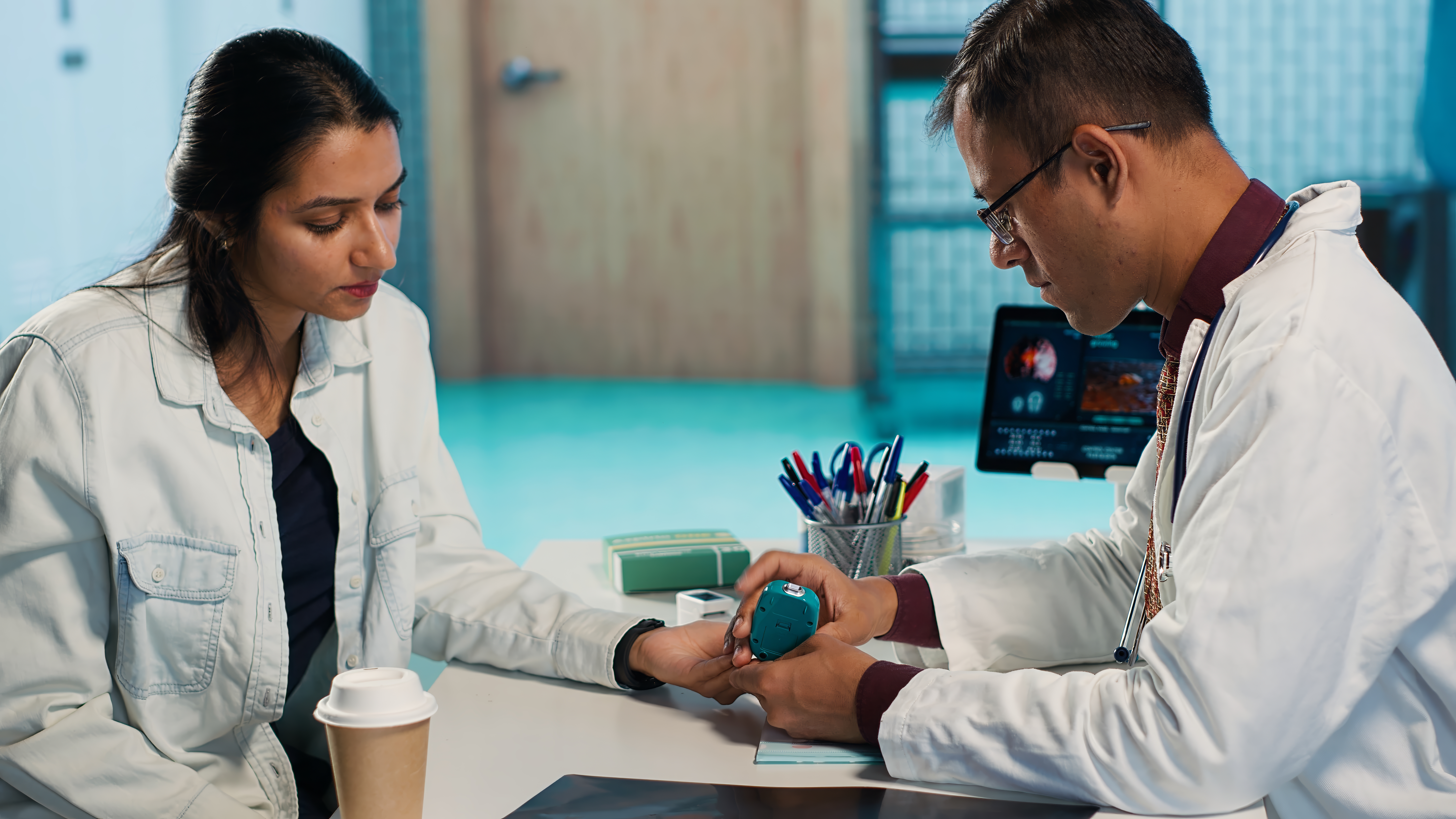
Now that class 12 is done, medicine might interest you, but MBBS feels like a mountain you're not sure you want to climb. Fair enough. Not everyone needs to spend a decade training to contribute meaningfully to healthcare. Paramedical courses after 12th exist precisely for this - they get you into clinical work faster, with training that's actually tied to what hospitals need day to day.
These aren't backup options. They're legitimate careers, and the demand for trained paramedical staff in India has been quietly outpacing supply for years.
What Are Paramedical Courses After 12th?
What "Paramedical" Actually Means
Think of every function in a hospital that isn't a doctor diagnosing or a surgeon operating. Someone ran that blood test. Someone operated the ECG machine. Someone set up the dialysis equipment before the nephrologist arrived. That's paramedical work - technical, specific, and genuinely essential.
Who These Courses Are For
Science students with PCB form the bulk of applicants, and most diploma-level programmes do expect that background. That said, a handful of shorter courses - General Duty Assistant, Home Health Aide, Hospital Store Assistant - are open to any stream. Marks requirement is usually 45 to 50 per cent at Class 12. No NEET required, full stop.
Why Bother With a Paramedical Course After 12th?
Healthcare hiring hasn't slowed down. Hospitals, diagnostic chains, and clinics have been expanding steadily, and trained technical staff remain genuinely hard to find at the entry level.
The training is hands-on. Most programmes build in clinical time, so graduates aren't starting from zero when they walk into a workplace. Employers notice this.
You start working sooner. Some of these courses finish in six months. Students who pick a two-year diploma are often employed before peers who chose a degree have reached their third year.
Career Options in Paramedical After 12th
|
Course |
Eligibility |
Duration |
Starting Salary |
|
Medical Laboratory Technology |
12th PCB |
1 to 2 years |
₹2.5L to ₹4.5L |
|
X-Ray and Imaging Technology |
12th PCB/PCM |
1 to 2 years |
₹2.5L to ₹4.5L |
|
Dialysis Technician |
12th PCB |
1 to 2 years |
₹2.5L to ₹4L |
|
Emergency Medical Technician |
12th any stream |
6 months to 1 year |
₹2L to ₹4L |
|
Operation Theatre Technician |
12th PCB |
1 to 2 years |
₹2.5L to ₹4.5L |
|
Cardiac Technology |
12th PCB |
1 to 2 years |
₹3L to ₹5L |
|
Vision and Optometry Technician |
12th PCB/PCM |
1 to 2 years |
₹2.5L to ₹4L |
|
Phlebotomy Technician |
12th PCB |
6 months to 1 year |
₹2L to ₹3.5L |
|
General Duty Assistant |
12th any stream |
6 months |
₹1.8L to ₹3L |
|
Home Health Aide |
12th any stream |
6 months |
₹1.8L to ₹3L |
|
Hospital Store Assistant |
12th any stream |
6 months to 1 year |
₹2L to ₹3.5L |
The Full List, Course by Course
Medical Laboratory Technology
Class 12 PCB, around 45 to 50 per cent marks. One to two years of training. Starting pay generally between ₹2.5 lakh and ₹4.5 lakh.
Diagnostic labs, hospital pathology departments, blood banks, research institutions - MLT graduates have no shortage of places to land. Diagnostics sit at the centre of modern treatment decisions, which is why this field keeps hiring.
Day to day, the work involves collecting and processing samples, running tests across haematology, microbiology, and biochemistry, maintaining equipment, and passing results to clinical staff accurately.
X-Ray and Imaging Technology
PCB or PCM at Class 12. One to two years. Salary starts around ₹2.5 lakh to ₹4.5 lakh, and climbs for those who develop skills in CT or MRI.
Radiology departments, standalone imaging centres, orthopaedic clinics - the demand exists in smaller cities too now, not just metros. As imaging equipment becomes standard even in tier-two hospital settings, the shortage of trained technicians outside major cities has become quite visible.
The job involves operating imaging equipment, positioning patients correctly, following radiation safety protocols strictly, and coordinating with radiologists.
Dialysis Technician
Class 12 PCB. One to two years. Entry pay around ₹2.5 lakh to ₹4 lakh, with experienced technicians in larger nephrology units earning considerably more.
Kidney disease is one of India's more significant and worsening public health concerns. Dialysis centres, nephrology wards, and multi-speciality hospitals all need people for this role, and the pipeline of trained staff hasn't kept up.
The work means setting up and operating dialysis machines, monitoring patients during sessions that often run for hours, managing fluid records, and alerting clinical staff to any complications.
Emergency Medical Technician
Class 12 in any stream, though physical fitness is typically assessed at admission. Six months to a year of training. Pay starts around ₹2 lakh to ₹4 lakh.
Ambulance services, A&E departments, event medical cover, industrial first response - the work varies quite a bit depending on where you end up. India's emergency medical infrastructure is still patchy in many regions, which means trained EMTs are needed in places that aren't obvious.
The role involves assessing patients at emergency scenes, delivering first aid and basic life support, operating equipment, and communicating with hospital staff during transport.
Operation Theatre Technician
Class 12 PCB. One to two years. Starting salary typically ₹2.5 lakh to ₹4.5 lakh.
Every operating theatre needs trained technicians, and that demand runs across both government and private hospitals. Surgical hospitals, orthopaedic units, cardiac surgery centres - positions exist across specialities.
The work involves preparing theatres before procedures, sterilising and arranging instruments, assisting during surgery, and maintaining instrument counts throughout. Precision is non-negotiable here.
Cardiac Technology
Class 12 PCB. One to two years. Salary starts between ₹3 lakh and ₹5 lakh, which puts it at the stronger end of best paramedical courses after 12th for earning potential.
Cardiovascular disease is among the leading reasons people are hospitalised in India. Cardiology departments, cardiac hospitals, ICU units - the hiring is consistent, and the technical nature of the work means well-trained graduates stand out.
Day to day: performing ECGs, echocardiograms, and stress tests; monitoring patients in cardiac care units; assisting during catheterisation procedures; maintaining cardiac monitoring equipment.
Vision and Optometry Technician
PCB or PCM at Class 12. One to two years. Starting pay around ₹2.5 lakh to ₹4 lakh.
Eye hospitals, ophthalmology clinics, optical retail chains. Screen time has gone up across every age group, and demand for vision care has followed - not just in cities but in smaller towns where optical chains have expanded noticeably over the last few years.
The role covers conducting vision tests, measuring refractive errors, assisting ophthalmologists, fitting spectacles, and maintaining diagnostic equipment.
Phlebotomy Technician
Class 12 PCB. Six months to a year. Starting pay between ₹2 lakh and ₹3.5 lakh.
Hospitals, diagnostic labs, blood banks, and increasingly home sample collection services. The growth of at-home diagnostics over recent years has opened up a separate stream of work that didn't really exist before.
The job is straightforward in description: drawing blood, labelling samples correctly, maintaining sterile technique, keeping patients comfortable during the process, and handing samples over to the lab efficiently.
General Duty Assistant
Class 12 in any stream. Six months. Salary roughly ₹1.8 lakh to ₹3 lakh.
General hospitals, nursing homes, community health centres across the country, including smaller towns where more specialised roles are harder to find. GDA positions are genuinely widespread.
The work involves supporting nurses with patient care, helping with mobility and hygiene, recording basic vitals, and maintaining ward cleanliness.
Home Health Aide
Class 12 any stream. Six months. Pay starts around ₹1.8 lakh to ₹3 lakh, though private home care arrangements sometimes offer more.
Home care agencies, elder care facilities, post-discharge recovery services. India's population is ageing faster than most people registered, and this sector has grown quietly but considerably over recent years.
The role involves helping patients manage daily activities at home, administering medication under supervision, monitoring basic health indicators, and flagging changes to supervising nurses or doctors.
Hospital Store Assistant
Class 12 any stream. Six months to a year. Starting salary ₹2 lakh to ₹3.5 lakh.
Hospital pharmacies, surgical supply departments, procurement units. It's not the most visible role in healthcare, but poor inventory management in hospitals creates real clinical problems. Trained store assistants are taken seriously for that reason.
The job covers receiving and cataloguing medicines and consumables, managing stock records, issuing supplies to wards, checking expiry dates, and coordinating with pharmacy and procurement staff.
Eligibility for Paramedical Courses After 12th
Most diploma programmes require Class 12 PCB with 45 to 50 per cent marks. The support role certificates - GDA, Home Health Aide, Hospital Store Assistant - take students from any stream. NEET is not required for any of these. Some institutions admit directly on Class 12 marks; others run a basic entrance test of their own.
Duration of Paramedical Courses After 12th
6-month courses: Phlebotomy Technician, GDA, Home Health Aide, Hospital Store Assistant. Fastest entry into paid healthcare work.
1-year courses: EMT, and certificate-level MLT or X-Ray at some institutes. A reasonable middle ground.
2-year courses: MLT Diploma, Dialysis Technician, OT Technician, Cardiac Technology, Optometry. More thorough preparation, generally stronger placement outcomes.
Salary After Paramedical Courses
Starting salaries across most paramedical courses after 12th sit between ₹2 lakh and ₹5 lakh. What actually moves the number:
Specialisation: Cardiac and OT Technology start higher than general support roles, fairly consistently.
Type of employer: A corporate multi-speciality hospital pays more for the same role than a small nursing home. Sometimes significantly more.
Practical training quality: Graduates who completed solid clinical hours get placed faster and often at better starting pay. Employers can tell the difference quickly.
Location: Metro cities pay more. Cost of living absorbs some of that gap, but not all of it.
FAQs on Paramedical Courses After 12th
Which are the best paramedical courses after 12th?
Cardiac Technology, MLT, and OT Technology come up most often for their combination of technical depth and consistent hiring. For a faster start, GDA and Phlebotomy Technician get you working within six months to a year.
Can I pursue paramedical courses after 12th without NEET?
Yes. None of these require NEET. Class 12 marks are the primary criterion.
What is the eligibility for paramedical courses after 12th?
Class 12 PCB with 45 to 50 per cent for most diploma programmes. Support role certificates accept any stream.
Which paramedical course has the best salary?
Cardiac Technology sits at the higher end for entry-level pay. OT Technology and MLT follow, particularly once you have two or three years of experience.
What is the duration of paramedical courses after 12th?
Six months to two years. The more technical the course, the longer the training - generally speaking.
Which paramedical course is best for hospital jobs?
OT Technician, Cardiac Technology, and GDA all place directly into hospital settings with consistent demand.
Which paramedical course is best for lab and diagnostic careers?
Medical Laboratory Technology is the main one. Phlebotomy Technician is a good entry-level complement, particularly given how much home diagnostics has grown.


 +91 9022092222
 admission@presidencyuniversity.in
 Rajanukunte, Yelahanka, Bengaluru, Karnataka, Pin: 560119, India
 +91 9022092222