Biochemistry Courses After 12th: Eligibility and Careers
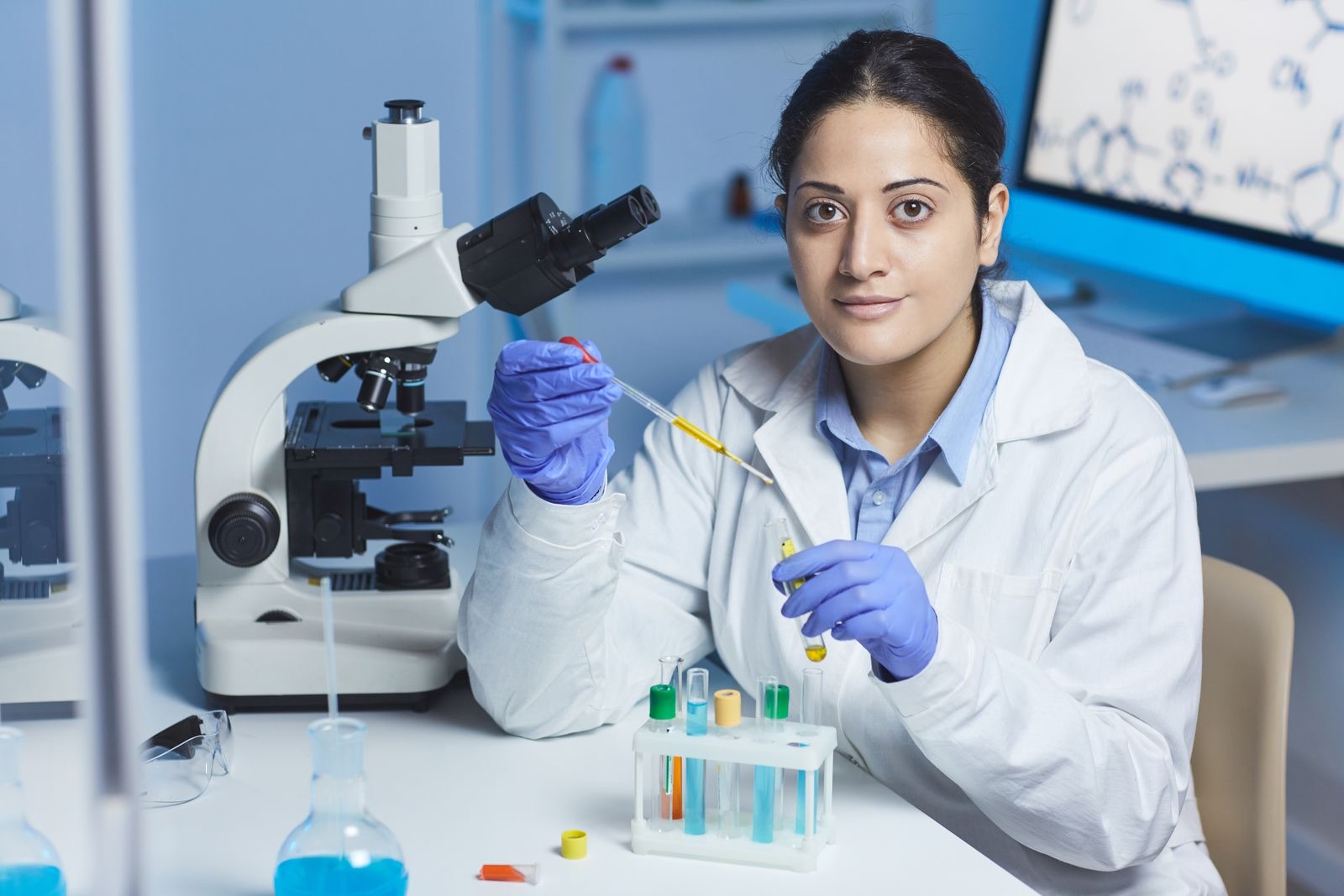
If chemistry and biology were the two subjects you actually enjoyed in Class 12, biochemistry may already be on your list. The worry many students and parents share is what comes next: is a B.Sc. in biochemistry a real career route, or only a stepping stone to more study? The honest answer is that it can be both, depending on how you plan it. This guide explains the biochemistry courses after 12th, who is eligible, what you study and where the degree can lead.
Course options after Class 12
- B.Sc. Biochemistry: a three-year degree, or a four-year honours degree under the University Grants Commission’s Curriculum and Credit Framework for Undergraduate Programmes, which also offers an honours with research route for students who meet the marks requirement
- B.Sc. with biochemistry as a main subject: alongside chemistry, microbiology or genetics
- Integrated B.Sc.–M.Sc. or BS-MS programmes: five-year programmes at some universities and research institutes, suited to students already set on research
If you want to work in a hospital or diagnostic laboratory, also consider the four-year Bachelor of Medical Laboratory Science (BMLS), an allied-health degree regulated by the National Commission for Allied and Healthcare Professions (NCAHP). Our guide on how to become a medical lab technician explains that route.
Presidency University does not currently offer a biochemistry degree, so check programme details directly with the universities you shortlist.
Eligibility and admission
Most universities ask for Class 12 (or equivalent) in the science stream with Chemistry and Biology, often with Physics; some accept Mathematics in place of Biology. Minimum aggregates vary by university and category, so read each prospectus.
1. CUET-UG. Central universities and many state and private universities admit through the Common University Entrance Test (UG) conducted by the National Testing Agency, usually with Chemistry and Biology subject tests.
2. Merit-based admission. Many state universities and their affiliated colleges admit on Class 12 marks.
3. Institution-specific tests. Some private universities and integrated programmes run their own entrance tests or interviews.
Biochemistry subjects
Area | What you learn |
Biomolecules | Structure and function of proteins, carbohydrates, lipids and nucleic acids |
Enzymes | How enzymes work, enzyme kinetics and inhibition |
Metabolism | How cells break down food, store energy and build new molecules |
Genetics and molecular biology | DNA replication, gene expression, mutations and recombinant DNA |
Cell biology and immunology | Cell structure, signalling and the immune response |
Clinical biochemistry | Biochemical tests used to diagnose disease, such as blood glucose, liver and kidney function |
Analytical techniques and biostatistics | Laboratory methods, data analysis and basic bioinformatics |
Biochemistry is a laboratory subject, and employers look for practical ability as much as marks. Expect training in spectrophotometry, chromatography, electrophoresis, centrifugation and, in many programmes, PCR and ELISA, plus lab safety and documentation.
Career options
With a B.Sc. alone, entry-level roles include laboratory or research assistant, quality control analyst in pharmaceutical, food or biotechnology companies, production trainee in biotech manufacturing and roles in scientific sales or content writing. Many of the more specialised roles prefer a master’s degree.
- Research: project assistant or fellow in research institutes and university labs
- Diagnostics: laboratory roles in diagnostic companies; hospital laboratory posts may ask for medical laboratory qualifications, such as the Master of Medical Laboratory Science in Medical Biochemistry, which the UGC listed as an NCAHP degree in August 2026
- Pharmaceuticals: quality control, quality assurance, analytical development and clinical research
For a wider view of biology-based options, see our guide to biology courses after 12th.
Higher studies after B.Sc. Biochemistry
- M.Sc. Biochemistry: two years, through CUET-PG, university tests or merit; IIT JAM, which includes a Biotechnology paper, leads to M.Sc. seats at participating institutes
- Specialised master’s degrees: biotechnology, molecular biology, clinical research, bioinformatics or the NCAHP-regulated medical laboratory science degrees, where eligibility allows
- Research: a PhD, usually through CSIR-NET (Life Sciences), conducted by the National Testing Agency, or GATE in Life Sciences or Biotechnology
Frequently asked questions
Which biochemistry course can I pursue after Class 12?
A three-year or four-year honours B.Sc. in Biochemistry, a B.Sc. with biochemistry as a main subject or an integrated B.Sc.–M.Sc. programme.
Is Mathematics required for B.Sc. Biochemistry?
Usually not. Most universities look for Chemistry and Biology; some accept Mathematics instead of Biology.
Is higher study necessary for a biochemistry career?
Not for entry-level laboratory and quality roles, but a master’s degree widens your options, and research or teaching usually needs a PhD.
Conclusion
Biochemistry suits students who enjoy both chemistry and biology, like careful laboratory work and are willing to plan beyond the first degree. If your goal is a hospital laboratory post, compare BMLS first, since such posts may ask for medical laboratory qualifications. Otherwise, keep Chemistry and Biology in Class 12, decide whether you are aiming at industry, diagnostics or research, and pick the matching degree, such as an integrated or honours-with-research programme if you are set on research. Then take the CUET-UG subject tests your shortlisted universities ask for, and compare lab time and project opportunities before accepting a seat. To compare other degrees, read our guides to B.Sc. courses after 12th and the best courses after 12th science.


 +91 9022092222
 admission@presidencyuniversity.in
 Rajanukunte, Yelahanka, Bengaluru, Karnataka, Pin: 560119, India

 +91 9022092222