Wandering Through Art: My Kochi-Muziris Biennale Experience, 2026
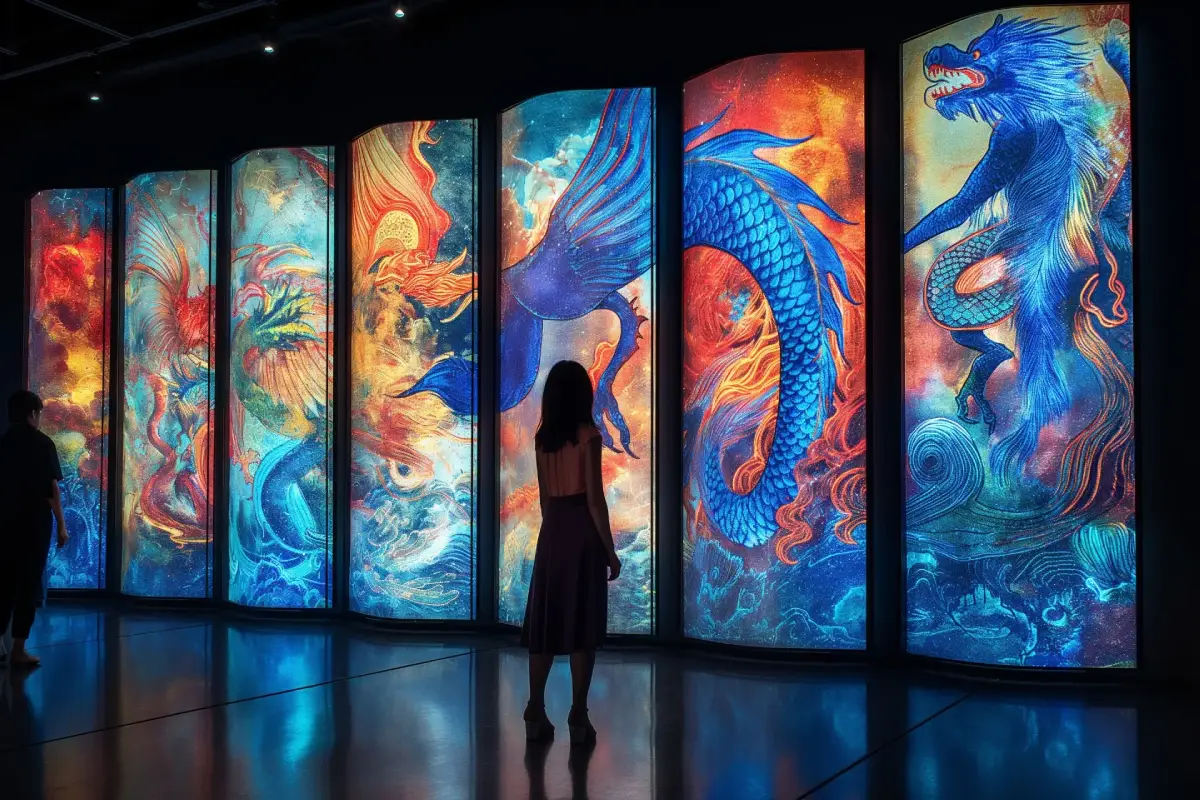
There’s something about the Kochi-Muziris Biennale that doesn’t feel like an exhibition you just visit. It feels like something you slowly fall into, like the city quietly pulls you in, one street, one doorway, one unexpected moment at a time. I’m Mercelyn Teresa, from the 2nd semester foundation class, and from 6th to 11th March, 2026, I experienced this exhibition as part of our college trip. What started as an academic visit quickly became something far more personal, something I didn’t expect to connect with as deeply as I did.
Over four days, we visited multiple venues. They lived inside old warehouses, tucked-away cafes, and buildings that carried years of history in their walls. Every space felt like it had a story before the art even began.
DAY 1 (March 8):
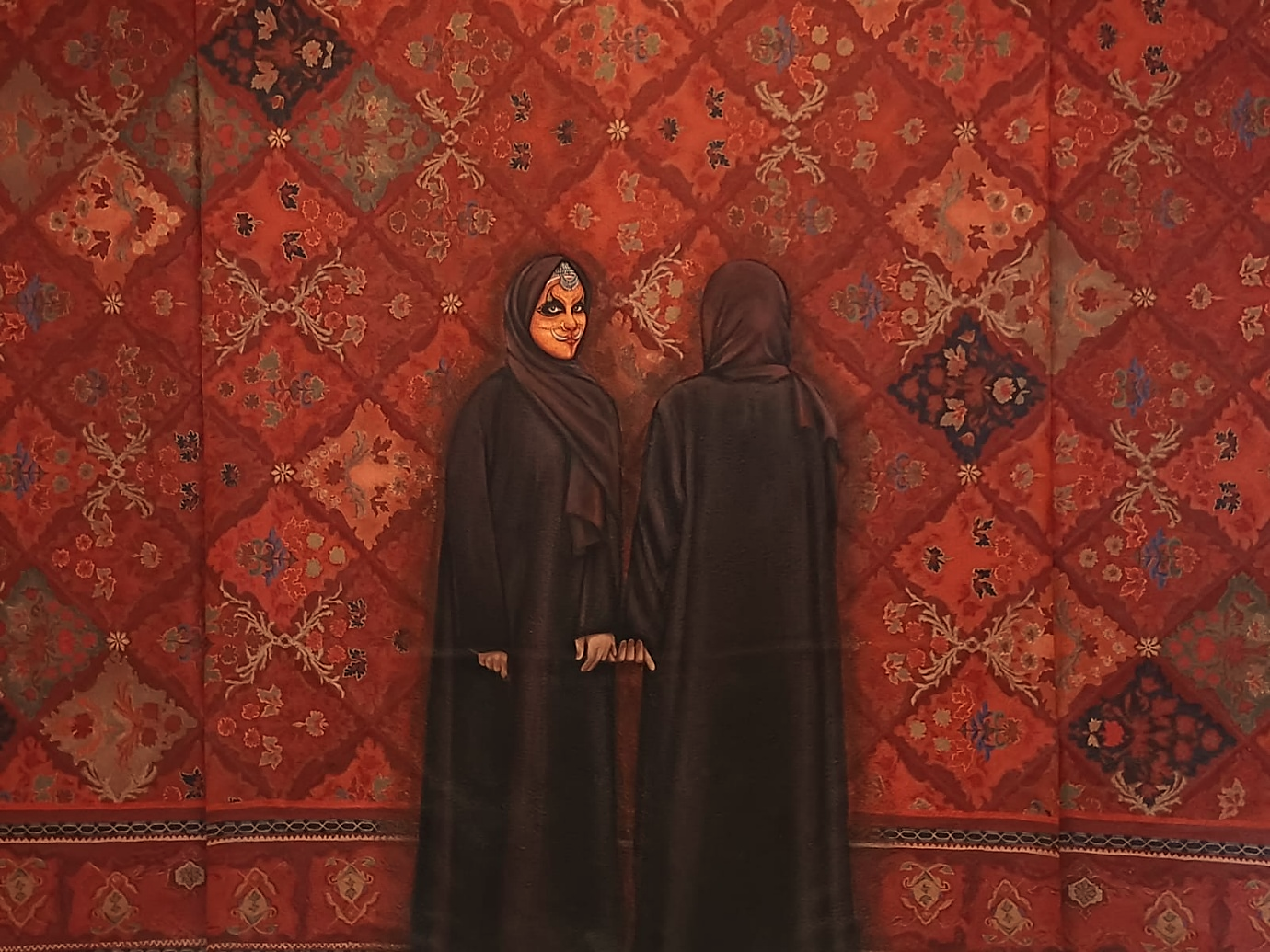
On the first day, we first visited Aspinwall House, Pepper House, K.M. Building and Armaan Collective & Cafe. It didn’t feel like entering an art gallery, it felt like stepping into a completely different headspace. The installations were large and overwhelming at times, but what stayed with me was how they made me feel. Some were beautiful, some confusing, and some even uncomfortable in a way I couldn’t explain. I realised I wasn’t just looking at art, I was reacting to it, questioning it, carrying pieces of it with me as I moved on.
DAY 2 (March 9):
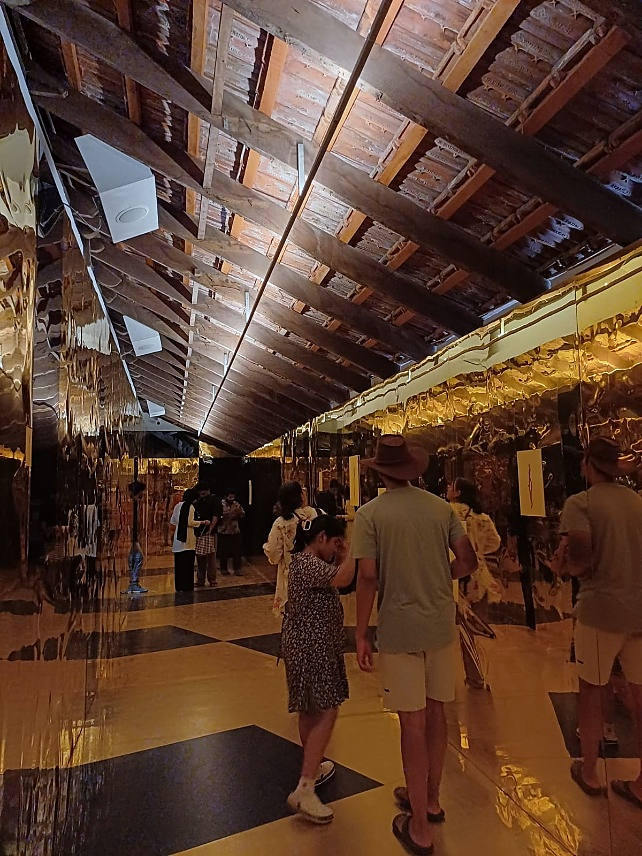
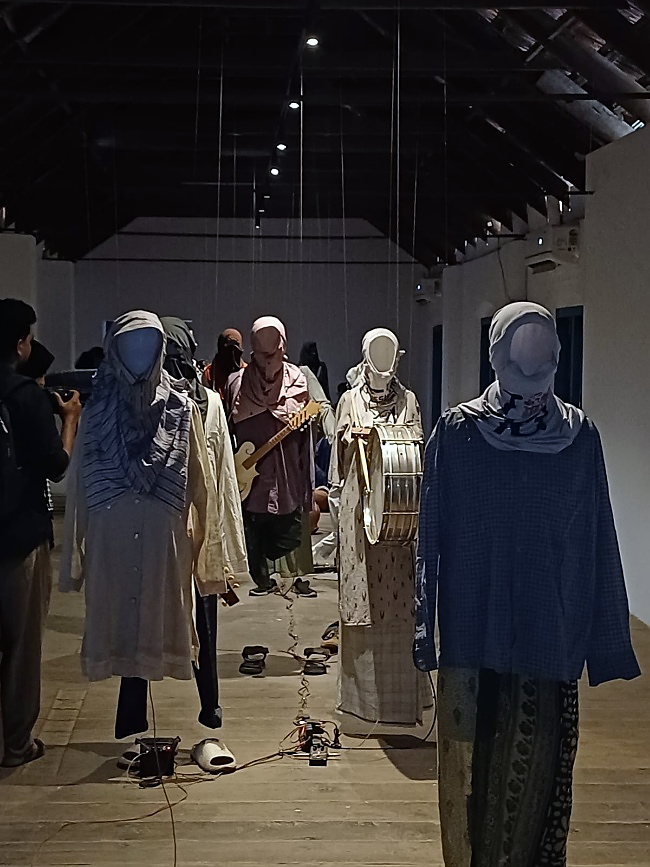
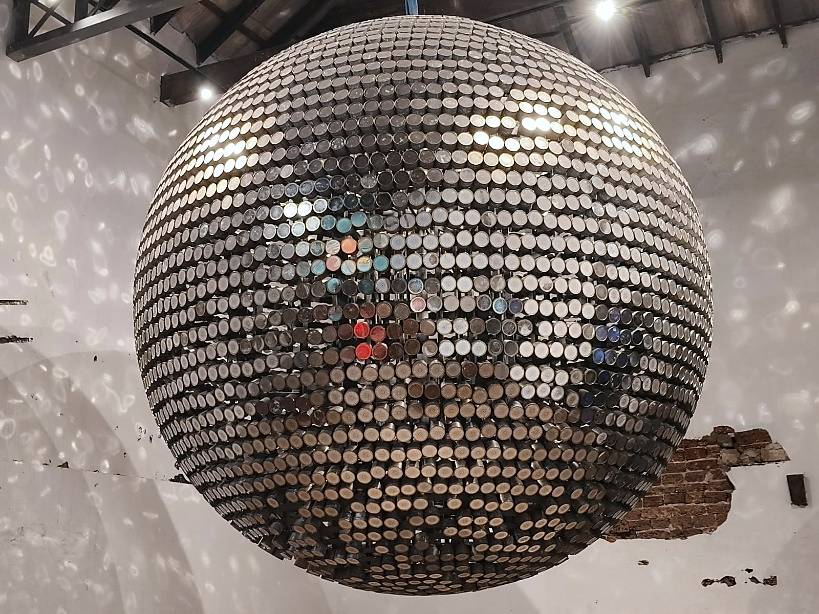
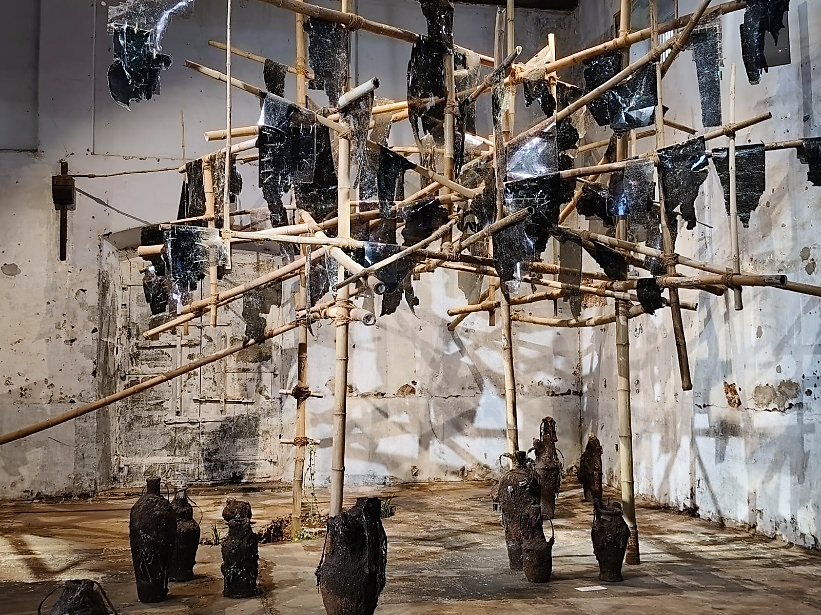
The second day we visited a couple of venues, where the spaces felt rawer and more grounded. Places like BMS Warehouse and Anand Warehouse didn’t try to hide their past, and that gave the art a certain honesty. At the SMS Hall, I found myself slowing down without even noticing. The way light, sound, and space came together made it impossible to just walk past. It wasn’t something to quickly observe, it was something you had to stand in and experience.
DAY 3 (March 10):
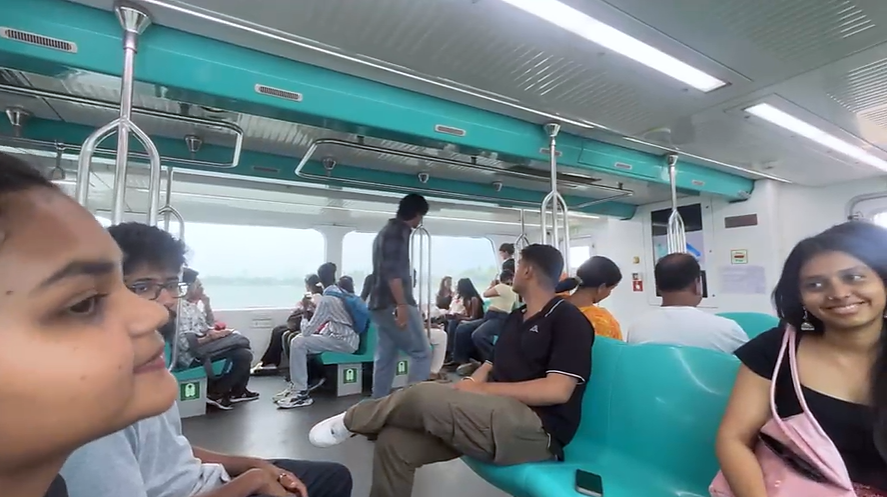
By the third day, back in Fort Kochi, everything felt quieter. The streets seemed calmer, the pace slower. I explored spaces like David Hall and the area around St. Andrew’s Parish Hall, and this part of the journey felt more personal. The art didn’t overwhelm me anymore, it felt like it was waiting patiently to be noticed. I spent more time pausing, observing small details, and just letting my thoughts sit with what I was seeing. One of the fun experiences I also had was travelling in the water metro for the very first time.
DAY 4 (March 11):
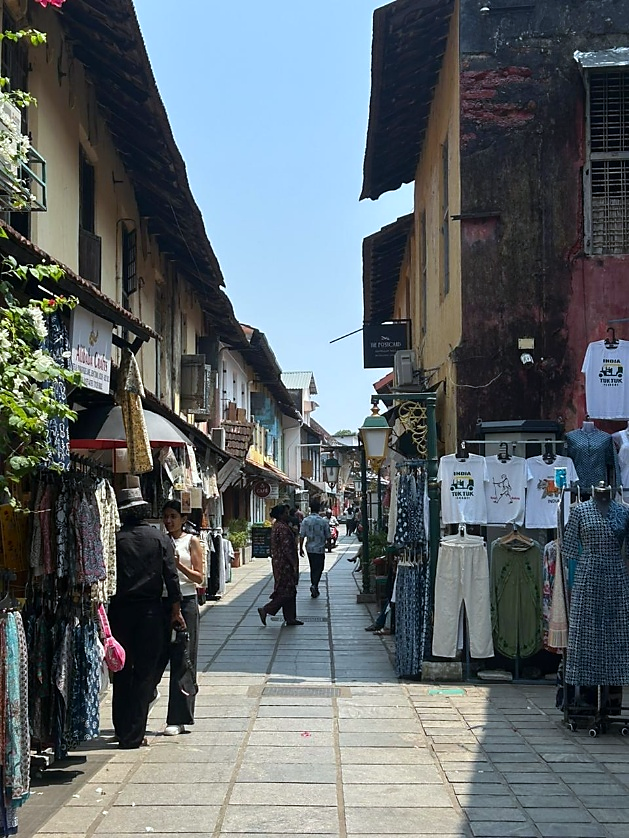
On the final day, we went deeper into Mattancherry, near the Jewish Synagogue. This part of the city felt alive in a completely different way, crowded, vibrant, a little chaotic. And somehow, the art blended right into all of it. Small galleries appeared unexpectedly, installations caught me off guard, and even places like Mocha Art Café felt like extensions of the Biennale. It became difficult to separate art from everyday life, and maybe that was what made the experience so special.
Looking back, I realise it wasn’t just about the artworks, it was about everything in between. The walking, the heat, the getting slightly lost, the quiet conversations, and the moments where I didn’t fully understand what I was seeing but felt something anyway. This trip started as something academic, something I thought I had to learn from. But somewhere along the way, it became something I simply experienced.
The Kochi-Muziris Biennale didn’t ask me to fully understand anything. It just asked me to be present. And by the end of it, I wasn’t just looking at the art pieces differently, I was looking at the world a little differently too. This trip completely changed my entire perception on art. I Didn’t Just See it, I Felt It.
Mercelyn Teresa Mallika
20251BDS0023
B. Des (Foundation)
School Of Design
Presidency University


 +91 9022092222
 admission@presidencyuniversity.in
 Rajanukunte, Yelahanka, Bengaluru, Karnataka, Pin: 560119, India
 +91 9022092222