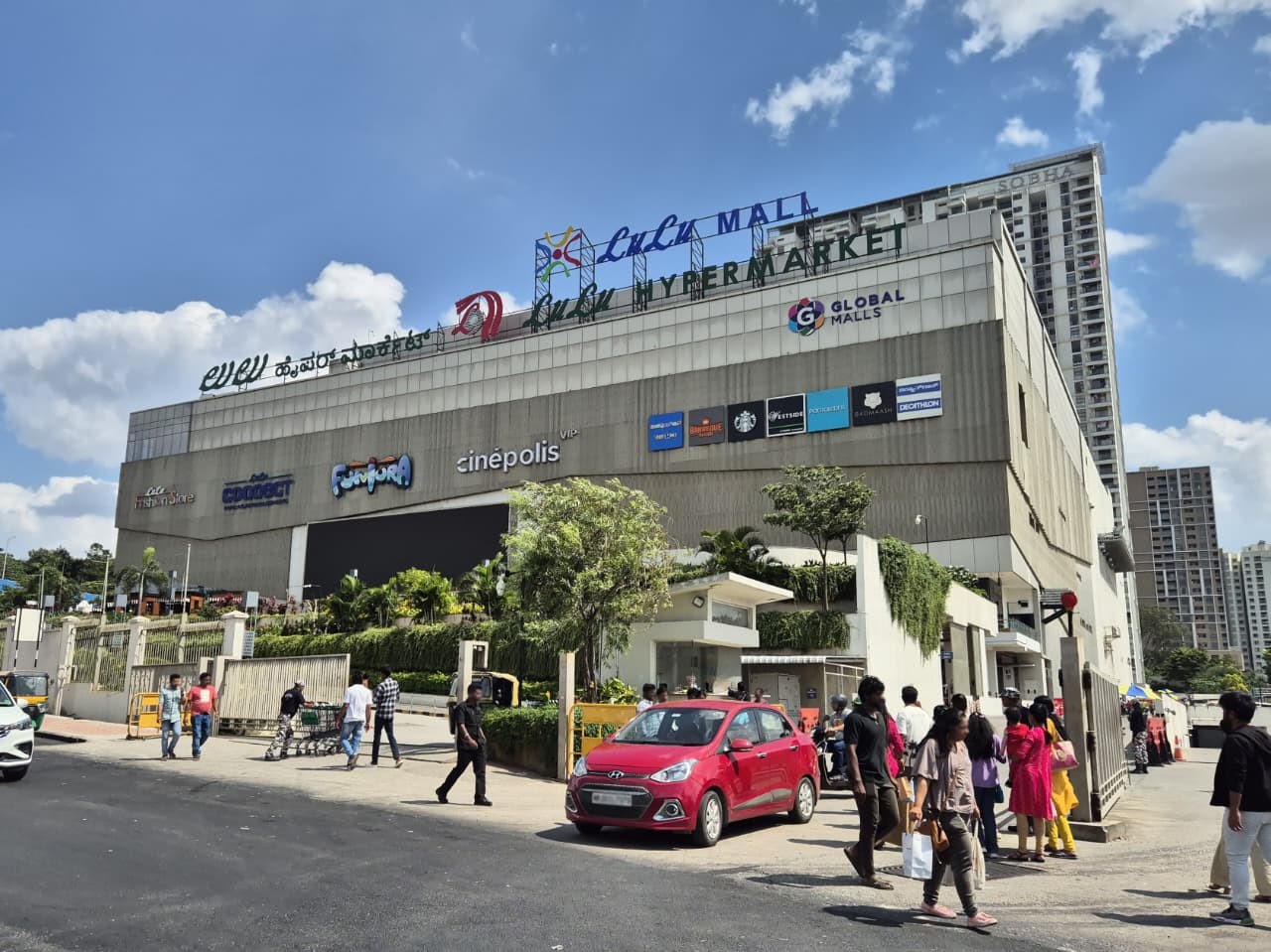
My Experience at Lulu Mall, Bengaluru

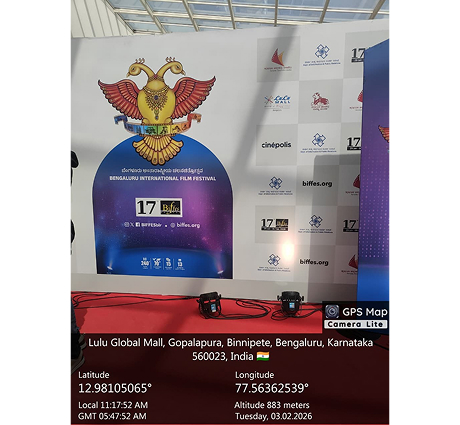
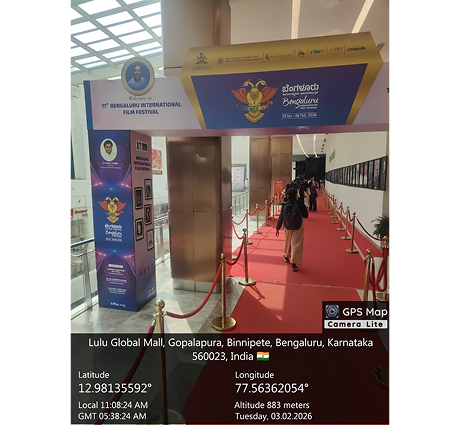
Cinema feels different when it’s experienced at a festival. It becomes more than just watching a movie—it becomes observing craft, understanding storytelling, and studying technique. On 3rd and 4th February, I attended the Bengaluru International Film Festival (BIFFES) held at Lulu Mall Bengaluru, and it turned out to be a creatively enriching experience.
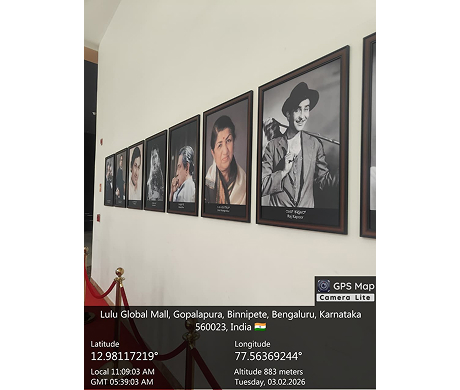
I am Pradhyuth Prasad (20231BSM0009), and as a multimedia student and video editor, this event was more than entertainment—it was learning through cinema.
The screenings I attended were on February 3rd and 4th at Lulu Mall, Bengaluru. The environment itself added to the excitement—film enthusiasts, students, and creators all gathered in one space, united by storytelling.
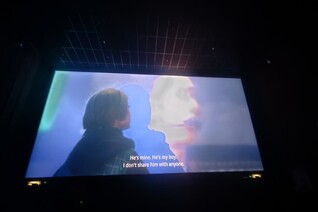
Day 1 – February 3
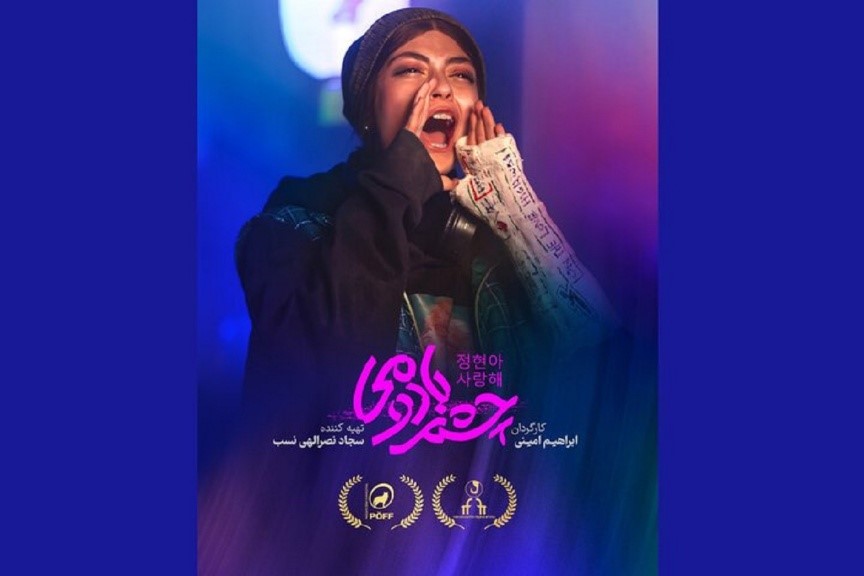
K-Popper (Persian Film)
The first film I watched was K-Popper, a Persian movie that instantly captured my attention. What stood out the most was its editing rhythm and narrative flow. The storytelling felt layered—each scene transitioned smoothly yet carried psychological weight.
The film played with identity, emotions, and cultural influence in a way that felt both subtle and powerful.
The sequencing of shots was intentional; nothing felt random. As a video editor, I found myself observing:
- How the scenes were arranged to maintain emotional continuity
- The pacing of cuts and how they influenced audience psychology
- The lighting choices that enhanced mood and realism
The connectivity between scenes created a natural psychological flow—it wasn’t just a story being told; it was an experience being guided.

Day 2 – February 4
Blue Moon
On the second day, I watched Blue Moon, and what fascinated me most was the colour correction and visual mood. The film used color as a storytelling device. Every frame seemed carefully graded to enhance emotional tone.
The colour palette wasn’t loud—it was controlled, expressive, and intentional. As someone deeply interested in editing and post-production, this caught my attention immediately. It made me think about:
- How colour theory affects perception
- How lighting shapes atmosphere
- How correction and grading influence narrative impact
The psychological depth of the film, combined with its visual tone, made it engaging and aesthetically powerful.
Day 2 – February 4
What Does the Nature Say to You
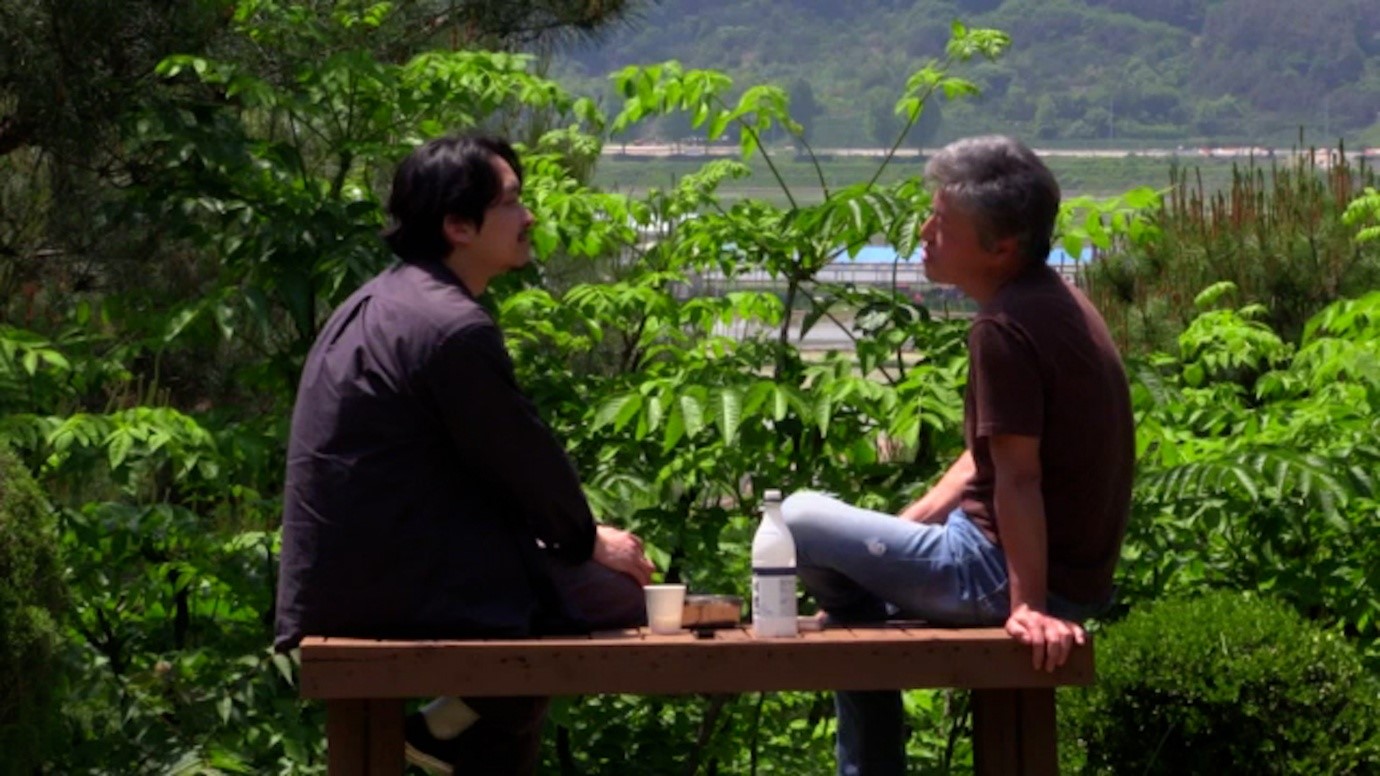
This film had a completely different pace. It was slow and patient, taking its time to unfold. Initially, it required adjustment—it didn’t rush into action or drama. Instead, it allowed moments to breathe.
Though slow, the film encouraged observation. It demanded attention to detail—nature, silence, pauses, and subtle transitions. It took time to understand, but once the rhythm was accepted, it felt meditative.
As a multimedia student, this reminded me that:
- Not all storytelling needs fast cuts
- Silence can be powerful
Visual pacing defines audience engagement
What Made BIFFES Interesting
The festival experience was interesting because it allowed me to analyse cinema technically and emotionally at the same time. Watching these films in a curated festival environment enhanced focus and appreciation.
What caught my attention most across all three films was:
- Shot composition
- Scene sequencing
- Psychological storytelling
- Colour correction and grading
- Lighting decisions
Each movie approached storytelling differently, yet all of them showed how deeply editing and presentation influence audience perception.
How It Adds Value to Multimedia
As a multimedia student and video editor, this experience added immense value to my learning:
- It strengthened my understanding of visual psychology
- It enhanced my awareness of colour theory in cinema
- It made me observe editing rhythm and narrative structure more critically
- It deepened my interest in lighting and frame composition
Watching films in a festival setting allows you to move from being a passive viewer to an active analyst. It trains your eye.


 +91 9022092222
 admission@presidencyuniversity.in
 Rajanukunte, Yelahanka, Bengaluru, Karnataka, Pin: 560119, India
 +91 9022092222