Events
SOLAS Organises FDP on Multidisciplinary Approaches in Teaching
03-August-2026
Day 1
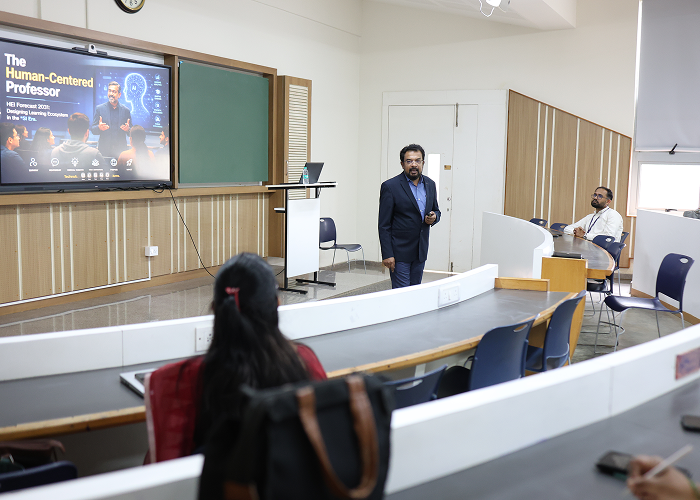
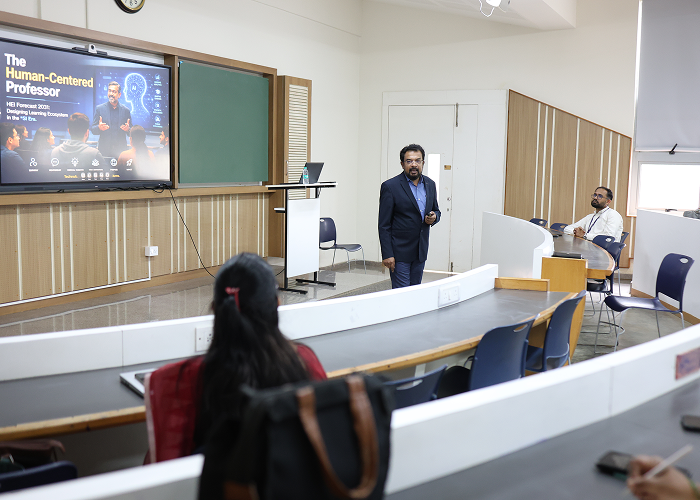
The Human-Centered Professor — HEI Forecast 2031: Designing Learning Ecosystems in the Synthetic Intelligence Era (Keynote)
Speaker: Dr. Umashankar K, Head of L&D
Dr. Umashankar K opened the Five-Day Faculty Development Programme with a keynote, delivering a clear, urgent message for educators adapting to the AI age. He noted that as artificial intelligence reshapes higher education, the teacher's role is not disappearing but evolving. With technology able to generate content, analyse student data, and personalise instruction, what will distinguish outstanding educators is their humanity — skills such as empathy, emotional intelligence, ethical judgment, mentorship, and the capacity to foster meaningful human connections will only increase in value. The professor of 2031, he argued, will be more than a conveyor of facts, but a facilitator, guide, and catalyst for students' holistic development. In an era increasingly defined by synthetic intelligence, the future belongs to educators who remain deeply human.
Day 2
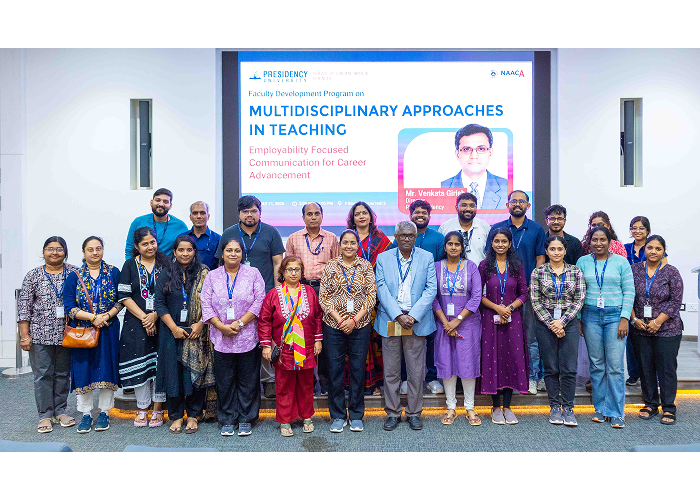
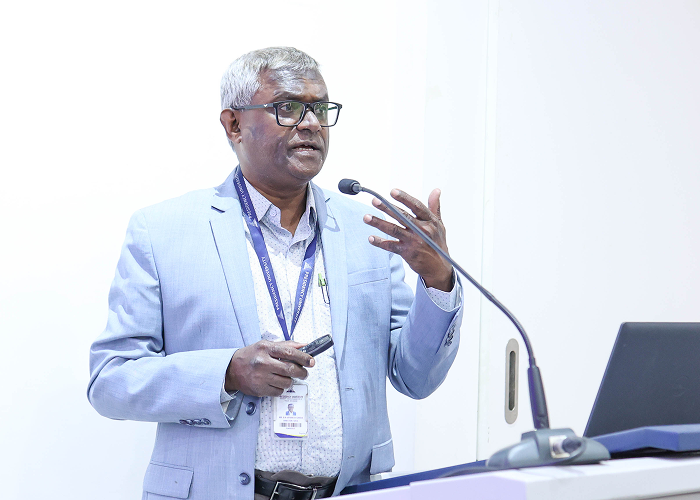
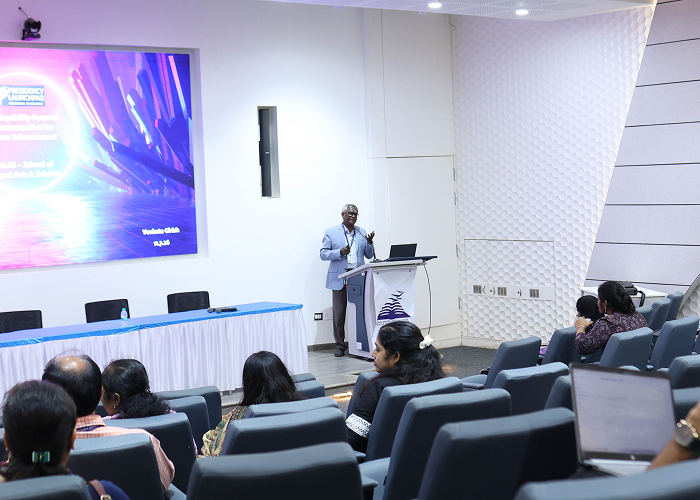
Employability Focused Communication for Career Advancement
Speaker: Mr. Venkata Girish B. N., Director, PLA-Presidency
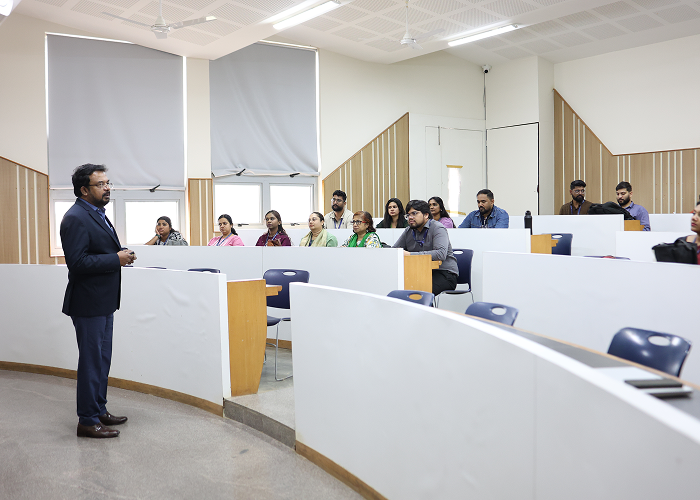
Mr. Venkata Girish B. N. emphasised how vital strong communication skills are for students as they step into the professional world, and how faculty can play a key role in preparing them for this transition. Drawing on real examples of students who once struggled with communication but went on to build their own start-ups after working on these skills, he illustrated the transformative power of targeted support. He encouraged faculty to move towards more skill-based and activity-driven sessions in the classroom — ones that build confidence and empower students to communicate effectively, setting them up for long-term career success.
Day 3
Teaching in the Age of AI: Practical Strategies for Engaging and Empowering Learners
Speaker: Mr. Gopalakrishnan N., Assistant Professor, Civil Department, Presidency University
Mr. Gopalakrishnan N. introduced faculty to a range of interactive, AI-powered tools that can transform classroom engagement — from live quizzes and gamified learning to dynamic visual content. Tools demonstrated included Research Rabbit, Gemini Quiz, Flippity.net, Napkin.ai, Hot Potatoes, Kahoot, Playground, and Menti.com, each offering practical ways to make lessons more interactive, participatory, and student-centred. The session left faculty with a toolkit of accessible, tech-driven strategies to bring greater energy and engagement into everyday teaching.
Day 4
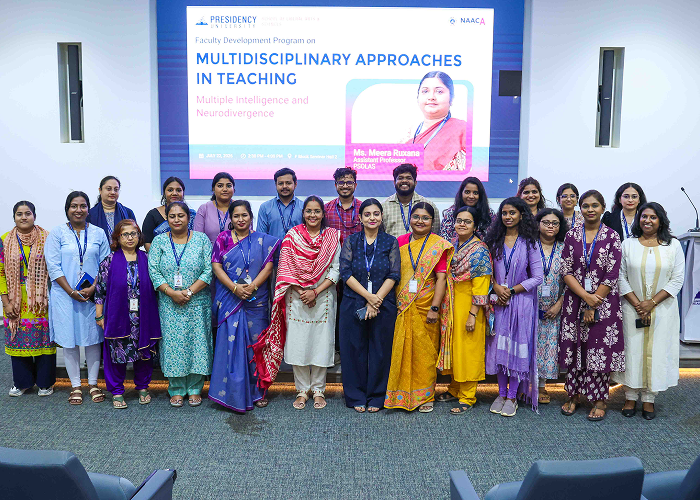
Multiple Intelligence and Neurodivergence
Speaker: Ms. Meera Ruxana
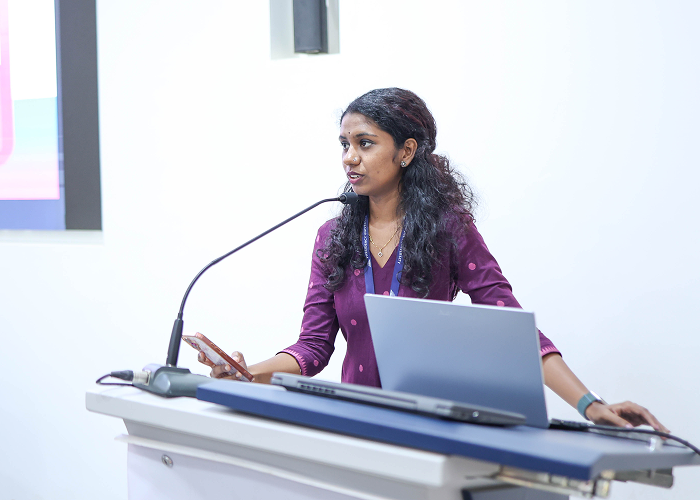
Ms. Meera Ruxana's session provided valuable insights into the diversity of learners present in contemporary classrooms and emphasised the need for inclusive and adaptive teaching practices. She began by discussing the concept of intelligence as a spectrum rather than a singular attribute, drawing upon the theory of Multiple Intelligences to highlight that learners possess different strengths and ways of understanding the world. She noted that traditional teaching methods often cater to only a limited range of abilities, whereas effective pedagogy should recognize and nurture diverse forms of intelligence. The discussion also extended to neurodivergence, highlighting that neurological differences are natural variations in human cognition rather than deficits. The session enhanced participants' understanding of diverse intelligences and neurodiversity, reinforcing the importance of learner-centred and inclusive teaching practices that support the unique strengths of every learner.
Day 5
Creative Classroom: Innovative Teaching Learning Pedagogies
Speaker: Dr. Bhagyashree Nadig
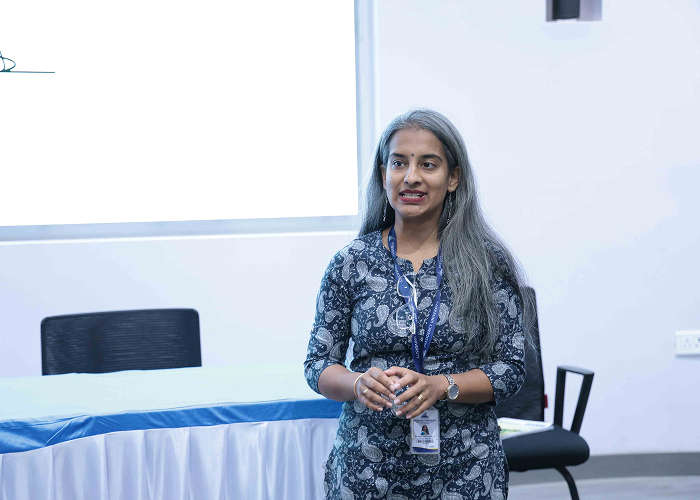
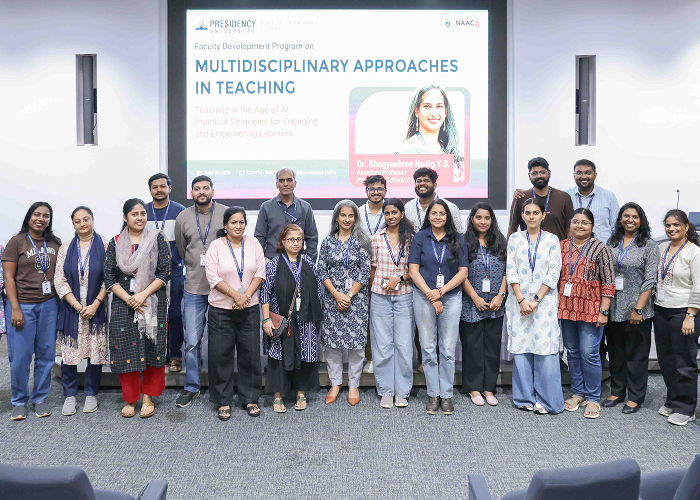
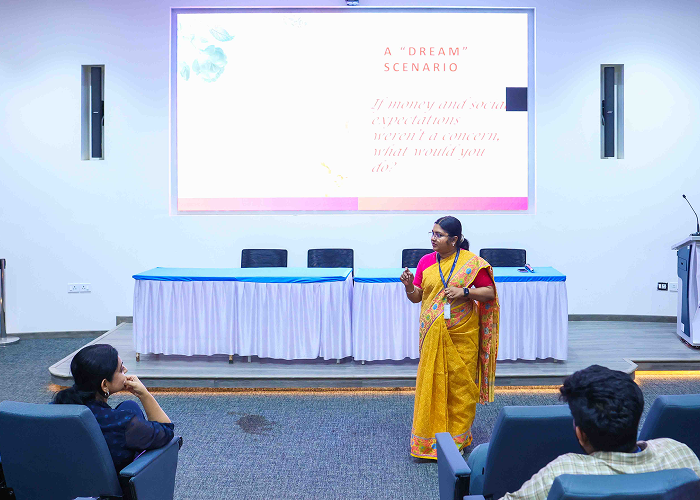
Dr. Bhagyashree Nadig's session focused on making classrooms more engaging, interactive, and learner-centred. She introduced several creative teaching strategies and activities inspired by the principles of the Natya Shastra. Through demonstrations and discussions, participants explored the use of expression, movement, storytelling, role-play, and performative techniques to enhance student participation and learning. The session highlighted the importance of creativity in teaching and encouraged educators to adopt innovative pedagogical approaches to foster active learning, engagement, and deeper understanding among students.


 +91 9022092222
 admission@presidencyuniversity.in
 Rajanukunte, Yelahanka, Bengaluru, Karnataka, Pin: 560119, India
 +91 9022092222