Events
SOLAS Hosts Performing Arts Colloquium 2026
28-September-2026
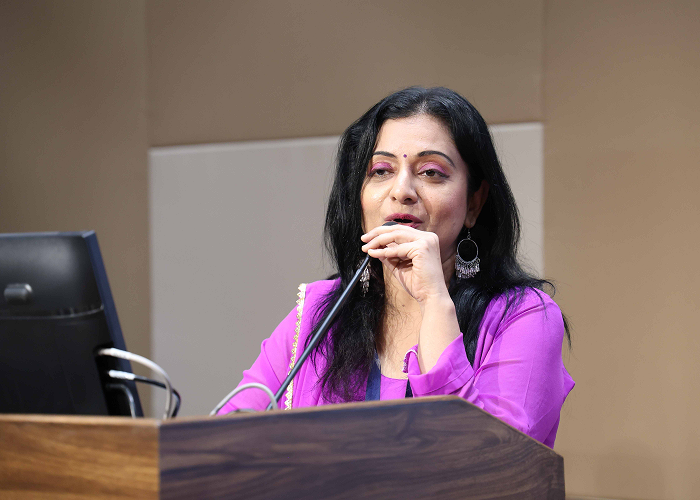
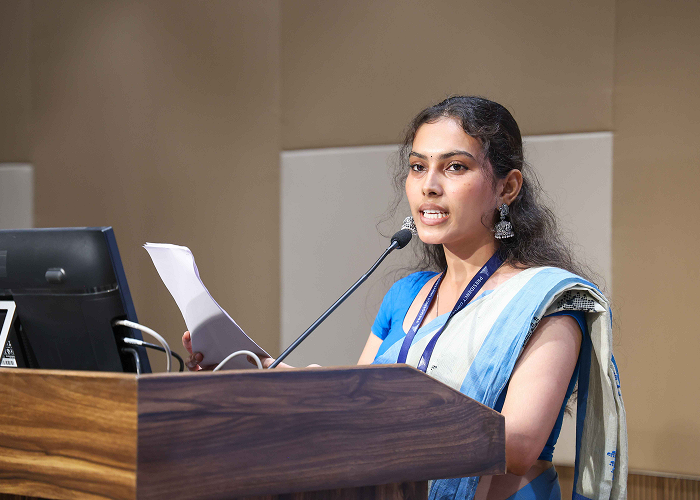
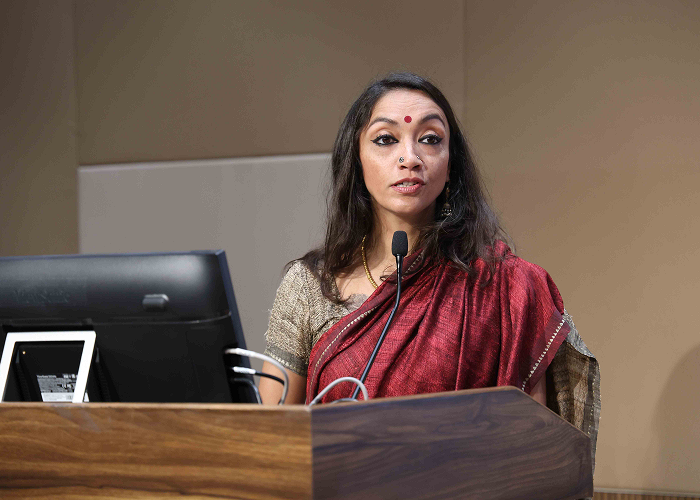
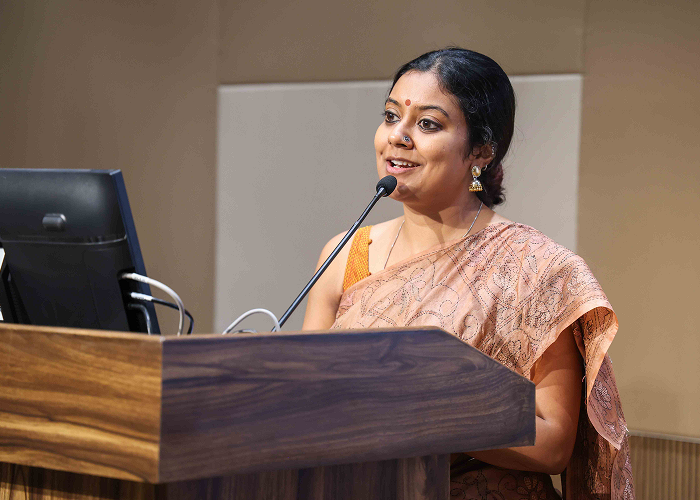
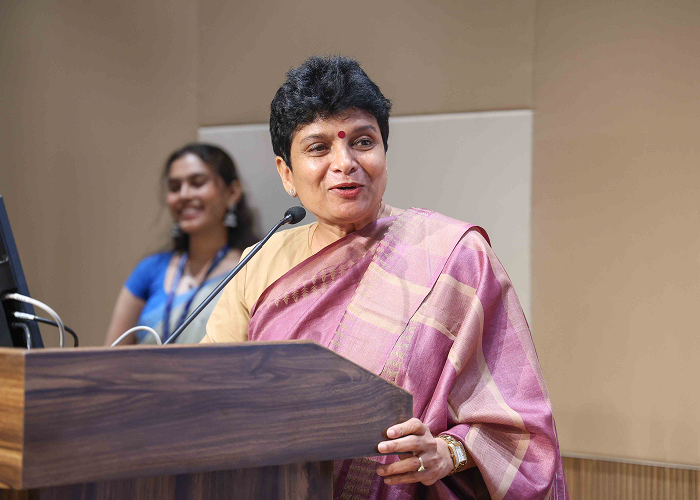
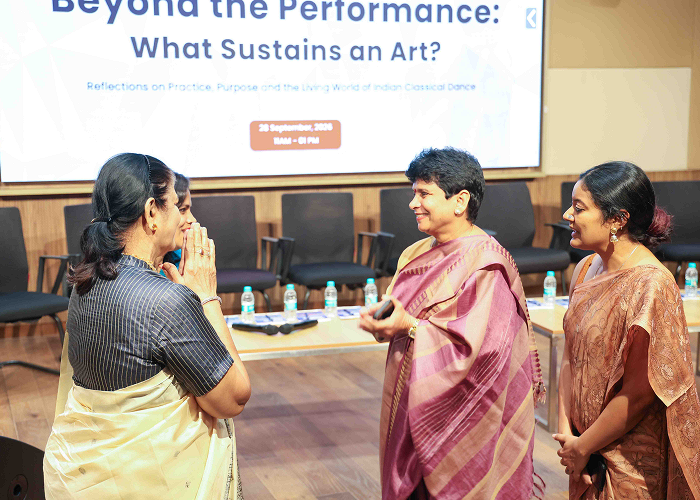
The School of Liberal Arts and Sciences (SoLAS), Presidency University, Bengaluru, organised the Presidency University Performing Arts Colloquium 2026 on 28 September 2026 at the Mini Auditorium, L Block, in association with Nrityantar Academy of Performing Arts, as an academic extension of NAMAN 2026. Centred on the theme “Beyond the Performance: What Sustains an Art?”, with the focus “Reflections on Practice, Purpose and the Living World of Indian Classical Dance,” the colloquium brought together distinguished practitioners, scholars, critics, journalists and academics. The programme commenced with a welcome address by Dr Pritha Sanyal, Head, SoLAS, followed by an address by Dr Vidya Shankar Shetty, Pro Vice Chancellor, Presidency University, on the importance of meaningful academic engagement with the arts.
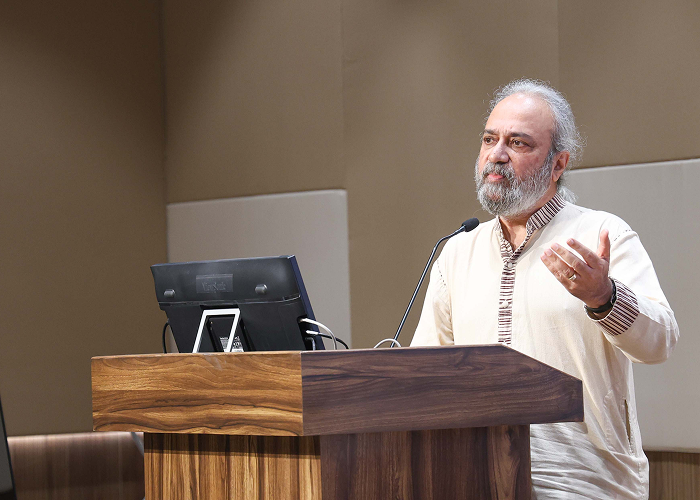
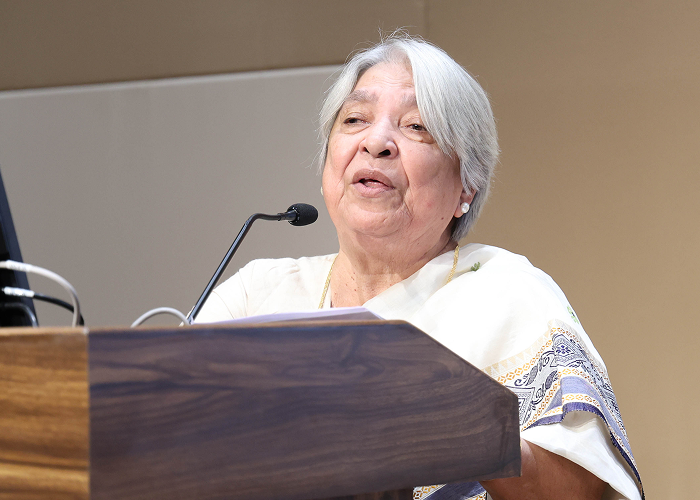
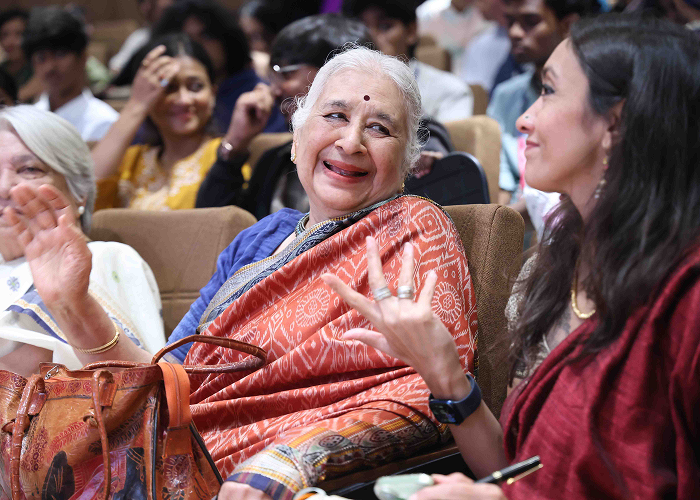
Moderated by Smt Aryaani Bhargav, the panel discussion examined the many dimensions of artistic practice that extend beyond performance itself. The distinguished panellists included Smt Leela Venkataraman, Smt Tapati Chowdhurie, Shri Kiran Prakash, Shri V Kaladharan, Shri Ashish Mohan Khokar, Dr Choodamani Nandagopal, Guru Ratikant Mohapatra, Shri Shyamhari Chakra, Shri Kedar Mishra, Shri Romal Singh and Dr Pritha Sanyal. Discussions explored awareness, consciousness and the role of ego in artistic practice, including the idea of flow; the concepts of bhava, rasa and tala in the Natya Shastra; the relationship between art and divinity; and the importance of engaging with artistic traditions beyond individual names and personalities. The panellists also highlighted the need for research, documentation and archiving in the performing arts, as well as the value of interdisciplinary learning and knowledge-sharing.
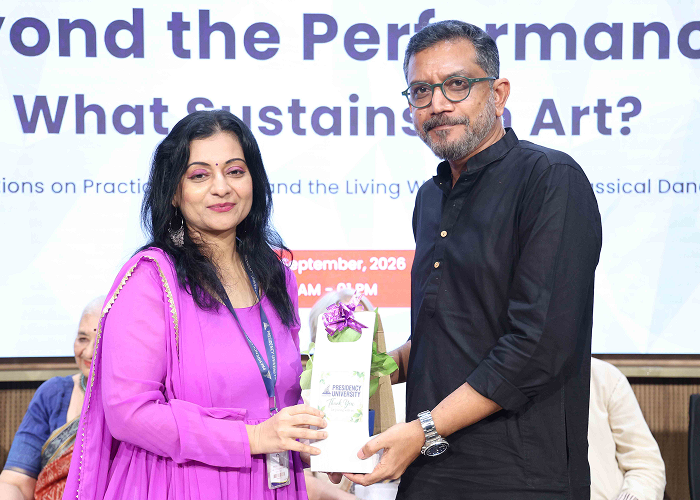
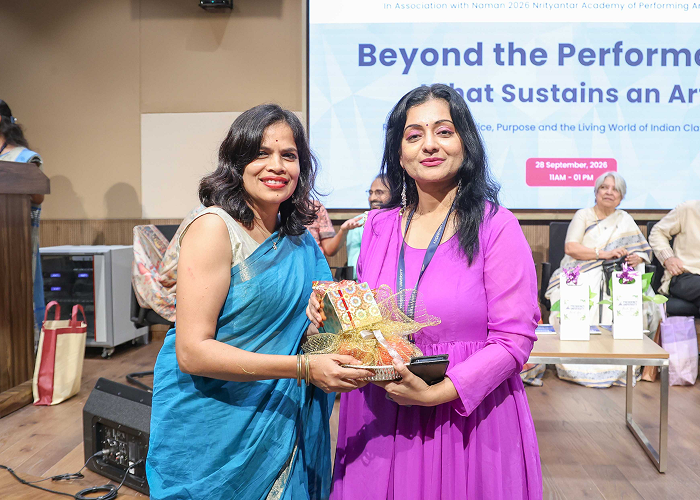
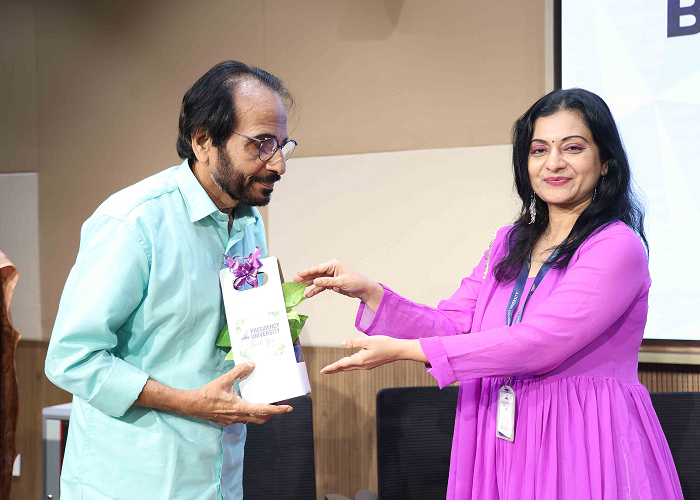
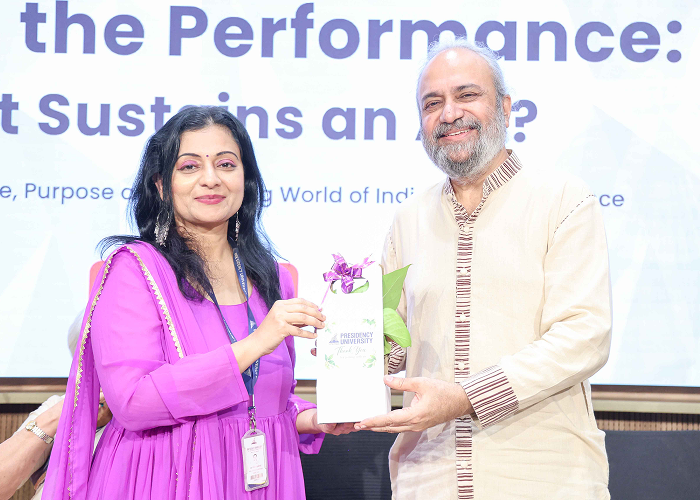
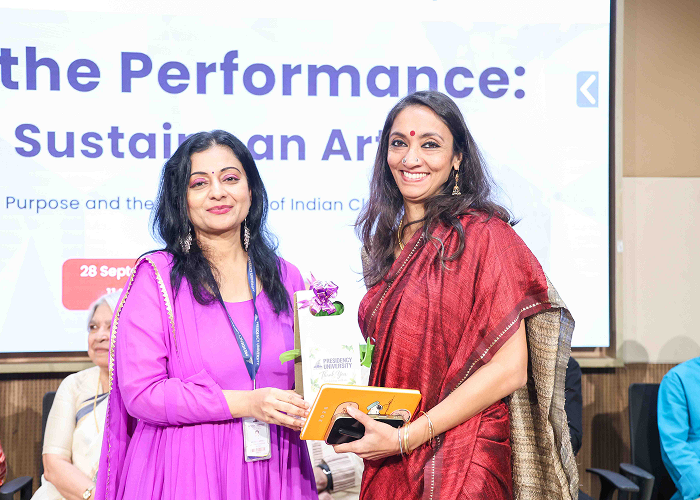
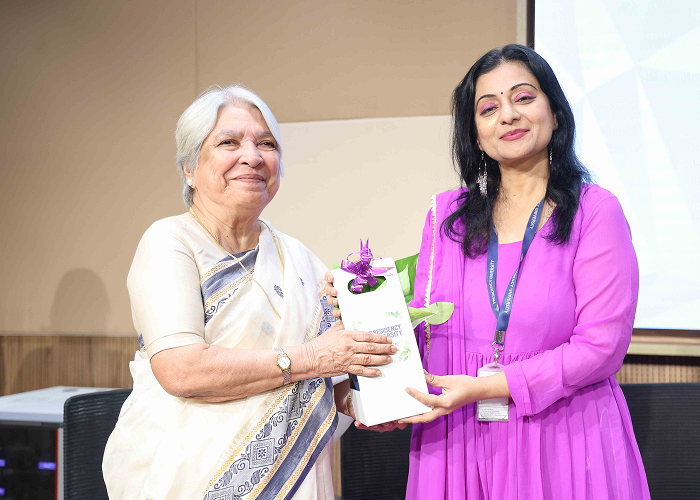
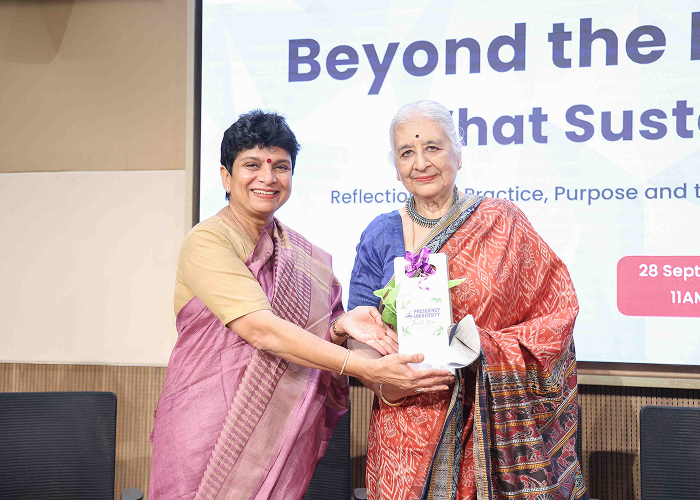
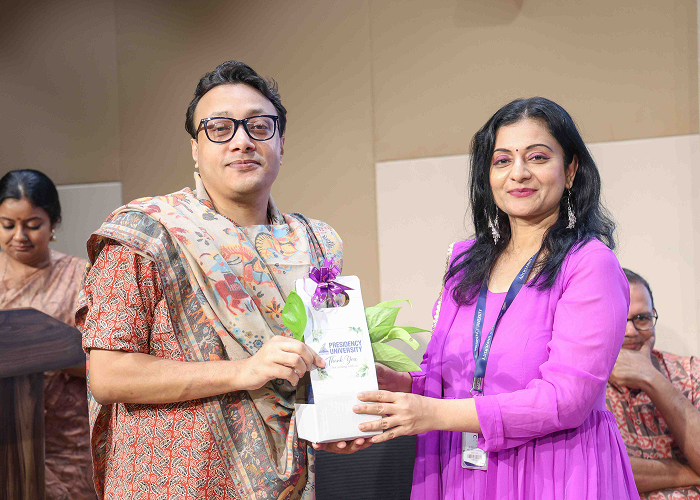
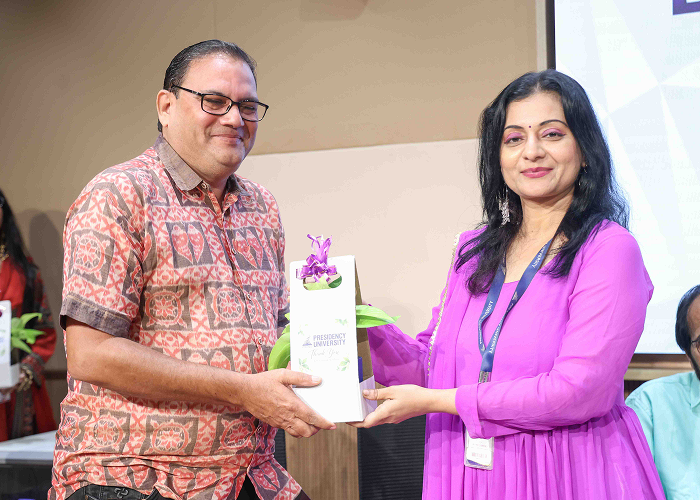
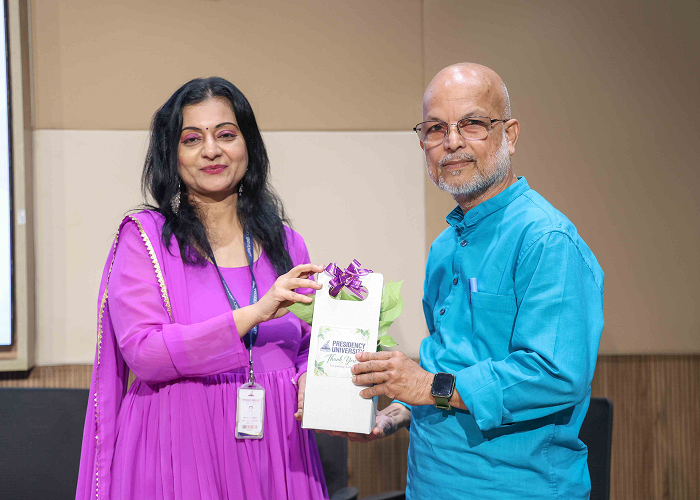
Students and faculty members of SoLAS participated actively throughout the programme, with students engaging directly with the panellists during the question-and-answer session. The discussion also brought together diverse cultural perspectives through reflections on Odissi, Kathak, Carnatic music, Mohiniyattam and other artistic traditions, emphasising the living and evolving nature of Indian classical dance. Despite practical challenges, including a power interruption and the extended duration of the programme, students remained attentive and engaged. The colloquium concluded with a token of gratitude from Nrityantar Academy of Performing Arts to the distinguished guests and panellists. The event offered students an opportunity to understand the performing arts beyond the stage—as traditions sustained through practice, memory, knowledge, discipline, scholarship, documentation, human connection and cultural continuity.


 +91 9022092222
 admission@presidencyuniversity.in
 Rajanukunte, Yelahanka, Bengaluru, Karnataka, Pin: 560119, India
 +91 9022092222