How to Become a Filmmaker in India? Complete Beginner’s Guide
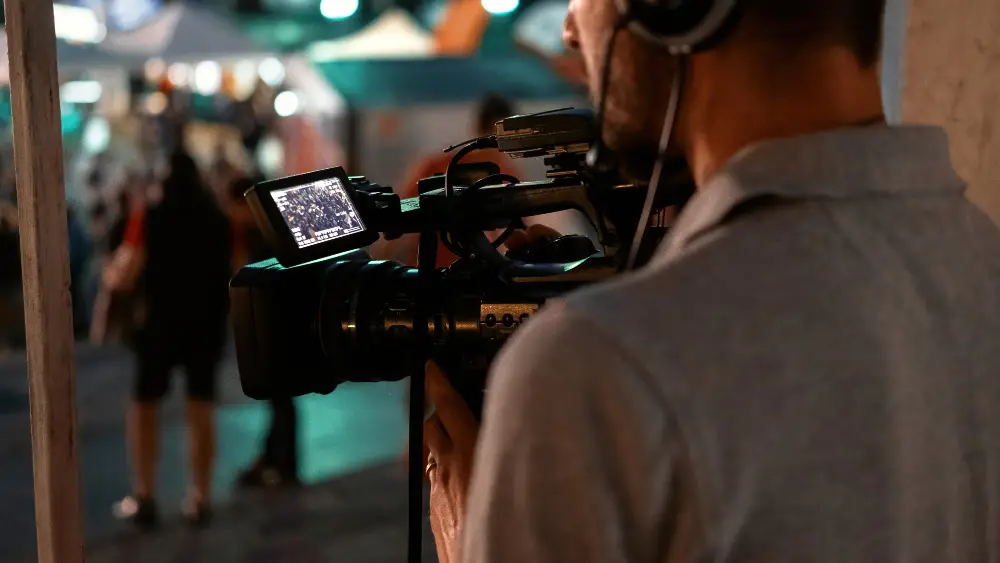
Most people in India grow up hooked on movies - those over-the-top Bollywood films, the high-octane cinema from down South, or even the slower, real-life kind of stories that show up on streaming apps now. If someone's just out of 12th and can't stop imagining their own work on screen, the idea of becoming a filmmaker feels huge. But honestly, it's also pretty daunting because the industry seems closed off unless you know someone.
The truth is, most people who make it don't have big connections at the start. They just keep making things, learning as they go, and pushing through the rough patches. This is a straightforward look at how to become a filmmaker in India, especially starting from scratch after school.
Who Is a Filmmaker?
The word Filmmaker gets used loosely, but it usually covers the main creative people who turn a story into something watchable. Directors are the ones in charge on set - they work with actors on performances, decide how shots look, and hold the whole thing together. Producers deal with the headache parts: raising money, booking locations, paying everyone, and getting the film out there. Cinematographers make sure it all looks good, picking cameras, setting lights, framing shots that pull you in. Scriptwriters are the ones who start it all, writing the dialogues, characters, and twists that give the film its heart.
On low-budget shorts or independents, you'll see one person handling two or three of these jobs just to get the project done.
Step-by-Step Guide to Becoming a Filmmaker
No two journeys are identical, but a few things keep coming up when people talk about how they got started.
Step 1: Complete 12th in any stream
Here's the easy part: no particular subjects needed. Whether arts, science, or commerce, as long as someone passes 12th with around 45-50% marks, they're good for most film courses. A lot of aspiring filmmakers use this time to binge-watch everything: old black-and-white classics, foreign films with subtitles, short clips on YouTube. They start paying attention to little details like why a camera pans at a certain moment or how music changes the mood.
Step 2: Take a film-making course
Not everyone goes to film school, but it makes the beginning less confusing. You learn proper terms, get to touch real equipment, and hang out with others who are just as into it. Some places like FTII have super competitive exams, but many private colleges let you in with marks or a quick interview.
Step 3: Learn editing, cinematography, screenwriting
Classes give structure, but the real learning happens outside. Lots of beginners grab free programs like DaVinci Resolve to cut videos, use their phones for test shoots around the house or street, and jot down random script ideas in notebooks. Even cheap online tutorials fill in the blanks.
Step 4: Build a portfolio or short films
In filmmaking, what you've actually made matters way more than a certificate. People often team up with classmates or friends, borrow a camera, find free locations, and shoot something simple over a weekend. Even if it's just five minutes long and a bit rough, they edit it, add sound, and put it online. Entering college fests or small festivals gets feedback and sometimes wins prizes that open doors.
Step 5: Apply for internships/assistant roles
This is the grind phase. Many shift to Mumbai because that's where most work happens, though Hyderabad for Telugu films or Chennai for Tamil is big too. Bangalore has some ad and corporate gigs. They send emails to production companies, join WhatsApp or Facebook groups for daily crew calls, or just show up on outdoor shoots asking if anyone needs help. Starting pay is often low - but carrying cables or noting continuity teaches more than any classroom.
Popular Filmmaking Courses in India
Right after you complete the 12th grade, choices include:
BA degrees in film studies or production: three years balancing history lessons with actual shooting practice. One-year PG Diploma in Film Making programs that jump straight into making films (some let fresh 12th passers in with bridge programs). Then shorter certificates focused on one thing, like lighting or sound, from big names or smaller local setups. Prices swing widely - government spots are reasonable, fancy private ones cost a fortune.
Skills Required to Become a Successful Filmmaker
Raw talent gets attention, but these are what keep someone going:
Knowing how to tell stories visually - making viewers feel tense or happy just from what's on screen. Handling people on set without losing cool when things go wrong. Cutting footage in editing to fix boring bits or build emotion. Getting the camera right - simple lighting tricks that make cheap locations look pro.
Plus the less fun stuff: staying awake on 16-hour shoots, fixing problems fast (like when an actor forgets lines), and hearing "no" a hundred times without quitting.
Career Opportunities in Filmmaking
Once someone's in, options spread out. Assistant directors often move up to directing full projects. Camera assistants climb to become cinematographer. Editors bounce between films, ads, trailers. Writers start with co-credits or web shows.
Ads and music videos could pay bills between features. Documentaries or corporate stuff offer steadier work, and streaming services keep hiring for original series, especially shorter stuff that doesn't need massive budgets.
Salary Range & Growth Opportunities
In the field of filmmaking, pay starts slow. Fresh assistants might pocket ₹15-30k a month if lucky, sometimes less or travel allowances only. After a year or two on sets, ₹5-12 lakhs yearly feels normal.
With a few decent credits, pay jumps to ₹20 lakhs plus for mid-level folks on good projects. Big directors or DOPs on theatrical releases pull crores, but that's after years and some luck with hits. Most filmmakers work freelance, so their income can vary a lot from month to month. One period might bring in good money with multiple gigs lined up, while the next could be dry with few or no projects.
Why Choose Presidency University for Film Studies?
In Bangalore, Presidency University's Postgraduate Diploma in Film Making earns strong praise for its hands-on approach - it prioritises actual production over pure theory. Students dive into the complete filmmaking process: scripting stories from scratch, shooting scenes with professional-grade cameras and equipment, editing footage in dedicated labs, and handling sound design. This practical, end-to-end experience helps build real skills and solid portfolios right from the start.
Teachers have actually worked on sets, so tips feel real. They push everyone to finish shorts that go into proper portfolios. Internships come easier through their contacts, and quite a few grads land assistant spots quicker than expected.


 +91 9022092222
 admission@presidencyuniversity.in
 Rajanukunte, Yelahanka, Bengaluru, Karnataka, Pin: 560119, India
 +91 9022092222