BPT Course Details: Eligibility, Syllabus and Careers
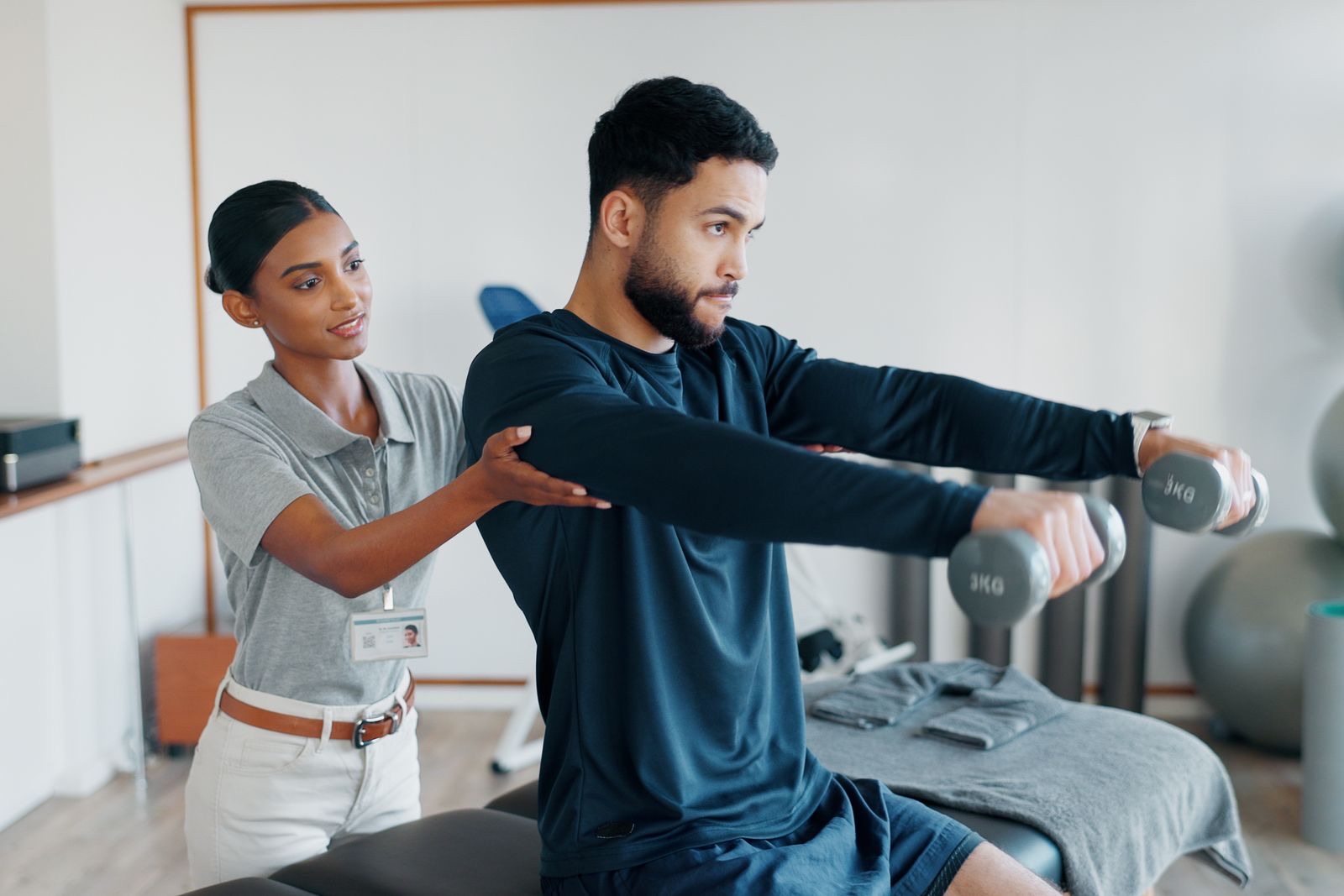
Many Class 12 biology students like the idea of physiotherapy but are unsure what the degree actually involves. Is NEET needed? How many years will it take? How much of it is spent with patients? Parents often ask whether it is a “medical” course at all. This guide sets out the BPT course details that matter before you apply: eligibility, admission, the year-by-year syllabus, the internship and what you can do after graduating.
What is the BPT course?
The Bachelor of Physiotherapy (BPT, also written B.PT) is a professional degree that trains you to assess movement and function and to treat people with injuries, neurological conditions, heart and lung problems and age-related limitations. Treatment relies on exercise therapy, manual techniques, electrotherapy and patient education rather than medicines or surgery.
Physiotherapy is now regulated under the National Commission for Allied and Healthcare Professions (NCAHP) Act, 2021. The University Grants Commission’s notification of 27 August 2026 lists the BPT with a minimum duration of five years, raised from four and a half. In practice this means four academic years followed by a one-year internship.
BPT eligibility criteria
Eligibility is set by the regulator and applied by each university, so read the page for your intake. Presidency University’s BPT page currently lists these conditions for 2026–27 admissions:
- Class 12 (or equivalent) with English, Physics, Chemistry and Biology (or Botany and Zoology)
- 50% aggregate marks
- A minimum age of 17 at admission, or 17 on or before 31 December of the year of admission
The NCAHP letter of 2 March 2026 allows 40% in Physics, Chemistry and Biology for SC, ST and OBC (non-creamy layer) candidates and for candidates with disabilities, with a pass in English for everyone. Check how your university applies these relaxations.
BPT admission process
For 2026–27, NEET-UG was not compulsory for BPT. NCAHP deferred the NEET requirement for BPT and BOT to the 2027–28 academic year and asked institutions to prepare merit lists from Class 12 marks in Physics, Chemistry and Biology (NCAHP letter, 2 March 2026). As of October 2026, we found no later notice changing that position. Because the letter defers the requirement to 2027–28, students applying for that year should register for NEET-UG and check NCAHP and university notices.
Presidency University’s BPT programme regulations say admission is based on merit in the qualifying examination and an entrance examination conducted by the university, with reservation following Government of Karnataka directives. A typical process looks like this:
1. Apply online and check the eligibility notice for your intake year.
2. Take the university’s entrance process (and NEET-UG, if it applies to your year).
3. Document verification. Keep your Class 10 and 12 marks cards, identity proof, category certificate if relevant and a medical fitness certificate ready, as the regulations require candidates to meet the university’s medical standards.
4. Confirm the fee and seat. Fees vary widely between institutions, so check the current figure and what it covers (clinical postings, uniforms, examinations) on the university’s admission page before you pay.
BPT syllabus: year-wise subjects
Presidency University’s published curriculum shows how the course moves from basic science to clinical practice.
Year | Main subjects |
Year I | Human anatomy, human physiology, biochemistry, fundamentals of exercise modalities and electro-physical agents, psychology and sociology, healthcare delivery in India, clinical orientation |
Year II | Pathology and microbiology, pharmacology, public health, emergency care and life support, exercise therapy, electrotherapy, biomechanics and kinesiology, yoga, clinical observation |
Year III | General medicine and paediatrics, general surgery, orthopaedics, physiotherapy in medical, surgical and orthopaedic conditions, functional diagnosis, research methodology and biostatistics, clinical education |
Year IV | Neurology, psychiatry and neurosurgery, cardiothoracic conditions, physiotherapy in neurological and cardiothoracic conditions, sports physiotherapy, ethics and medico-legal aspects, community rehabilitation, project work, clinical rotation |
Year V | Compulsory rotatory internship |
Practical training and internship
Practical work runs through all four academic years. The regulations set 3,780 hours of theory and 2,460 hours of practical classes, followed by a 12-month compulsory rotatory internship of at least 2,016 hours in hospitals, rehabilitation centres and community settings. The internship starts only after you pass all examinations. (One overview paragraph on the programme web page mentions a six-month internship; the regulations and the page header both state one year.)
Skills developed in BPT
A good BPT programme builds three kinds of skill. Assessment means taking a history and testing strength, range of motion and balance before reaching a physiotherapy diagnosis. Rehabilitation means planning exercise and manual therapy, progressing it safely and measuring results. Patient communication means explaining a home programme clearly, motivating someone through slow recovery and recognising when to refer a patient back to a doctor. Documentation and ethics, including consent and privacy, run through all three.
BPT specialisations
You choose a specialisation after the BPT, usually through a two-year Master of Physiotherapy (MPT). From 2026–27, the UGC notification says the MPT is awarded only with a named specialisation. The listed options include:
- Musculoskeletal sciences (orthopaedic conditions, joint pain, post-surgical recovery)
- Neuro sciences (stroke, spinal cord injury, Parkinson’s disease)
- Sports sciences (injury prevention, rehabilitation and return to play)
- Paediatrics and neonatal sciences (developmental delay, cerebral palsy)
- Cardio-pulmonary sciences, obstetrics and gynaecology, oncology and community rehabilitation
Career options after BPT
BPT graduates work in hospitals, outpatient clinics, rehabilitation centres, sports academies, home-care services, schools for children with disabilities, corporate wellness programmes and community health projects. Some open their own practice after gaining experience. For a fuller picture of daily work, specialisation and salaries, read our guide on how to become a physiotherapist.
For further study, you can take an MPT, then a PhD for research or teaching. Professional registration is handled through State Allied and Healthcare Councils under the NCAHP Act. In October 2026, NCAHP notified regulations for the boards that will verify documents and recommend registration, so check your state council’s current process before you graduate.
If you are drawn to rehabilitation but more interested in daily living skills, sensory needs or mental health, compare the Bachelor of Occupational Therapy, a related five-year allied-health degree.
Frequently asked questions
Who is eligible for the BPT course?
Students who have passed Class 12 with English, Physics, Chemistry and Biology. Presidency University asks for 50% aggregate and a minimum age of 17, according to its programme page for 2026–27.
Is NEET compulsory for BPT admission?
Not for 2026–27, because NCAHP deferred the requirement to 2027–28. If you are applying for 2027–28, register for NEET-UG and check the university’s admission notice for your year.
How long is the BPT course including internship?
Five years: four academic years plus a 12-month compulsory rotatory internship, according to Presidency University’s regulations and the UGC notification of August 2026.
What subjects are taught in BPT?
Anatomy, physiology, biochemistry, exercise therapy, electrotherapy and biomechanics in the early years, then orthopaedic, neurological, cardiothoracic, sports and community physiotherapy, with research methods and ethics.
What career options are available after BPT?
Clinical roles in hospitals, clinics, rehabilitation and sports settings, home care and community health, or further study through an MPT and PhD.
Conclusion
Before you apply, confirm three things for your intake year: the eligibility and NEET rules, the full five-year structure including the internship, and the clinical training sites where you will practise. Then explore the Bachelor of Physiotherapy at Presidency University and check the current admission notice before applying.


 +91 9022092222
 admission@presidencyuniversity.in
 Rajanukunte, Yelahanka, Bengaluru, Karnataka, Pin: 560119, India

 +91 9022092222