Applied Psychology vs Clinical Psychology: What's the Difference?
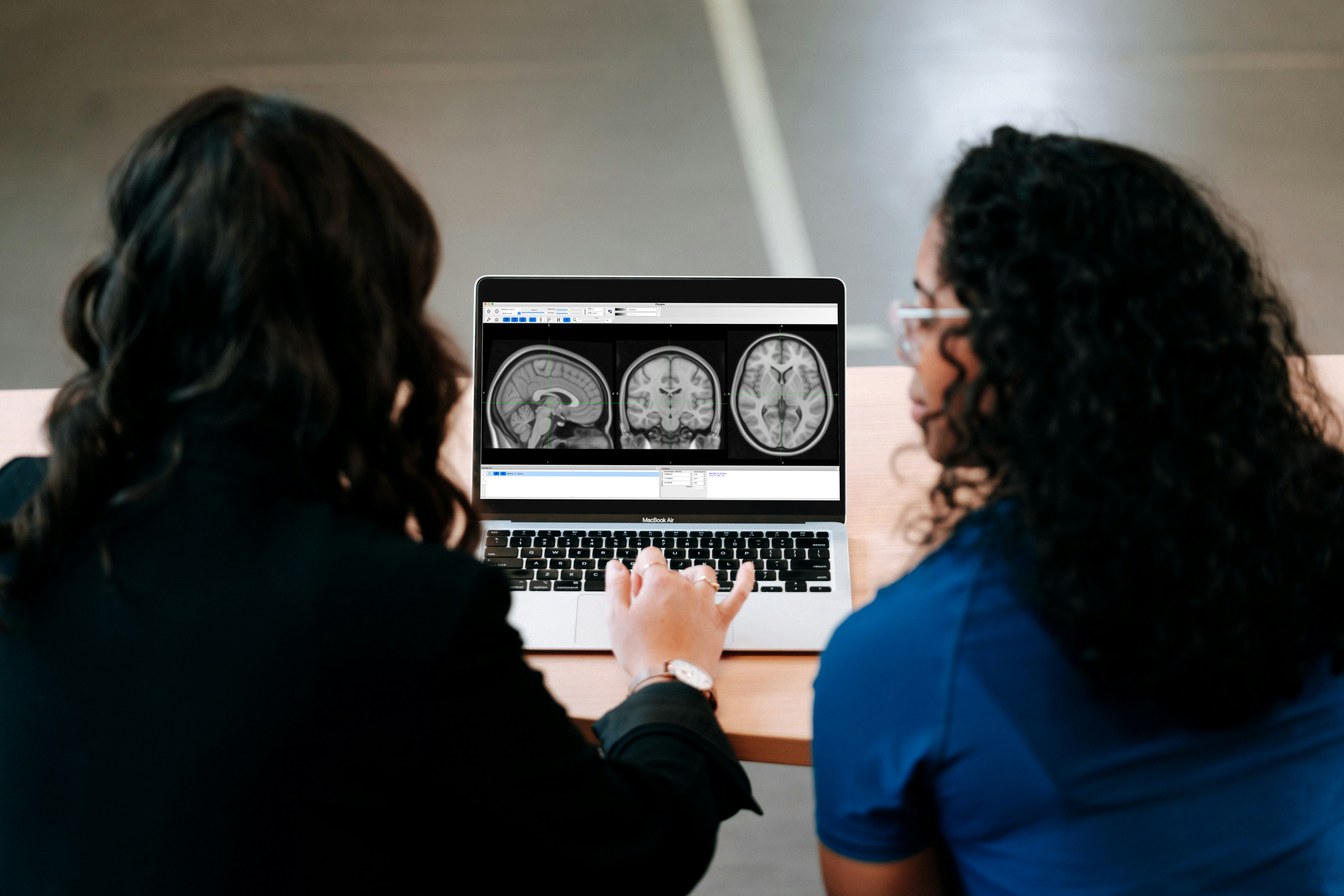
If you're looking at psychology as a career, the question of applied vs clinical psychology comes up quickly. At first, it can all feel similar. Both fields are trying to get to grips with how people think, what drives their behaviour, and the role emotions play in daily life. I remember students telling me they struggled to see the real gap between them when they first started researching.
But once you spend a little longer with it, the differences start to stand out. One path tends to take psychological ideas and drop them into ordinary situations – offices, classrooms, sports fields, places like that. The other stays much more inside the health system. It is about working directly with people who are carrying anxiety, depression, trauma or other mental health burdens. Getting this straight early on really does help. It stops you from wasting time on a route that might not fit how you actually want to spend your working days.
What is Applied Psychology?
Applied psychology, in my experience, is about taking solid psychological research and theories and using them where they can make a tangible difference. It is less about deep theoretical debate in a university setting. More about solving problems that show up in real organisations or groups of people.
Areas of Applied Psychology
You see it showing up in several practical areas.
Industrial and organisational psychology, for instance, spends time inside companies looking at staff motivation, how teams actually work together, and what sort of culture helps people perform without burning out. Educational psychology is more about learning – what gets in the way for certain students and how schools or educators can adjust their way of approach. Sports psychology helps athletes with the mental side, supporting them stay calm under pressure or gain back confidence after a bad result. Consumer psychology looks at why someone picks one product over another and how branding influences those split-second decisions.
The common thread is application. It is about improving things in everyday environments rather than focusing mainly on treatment.
What is Clinical Psychology?
Definition of Clinical Psychology
Clinical psychology is the side that deals mostly with mental health conditions. It involves figuring out where someone is struggling, understanding the patterns, and then offering treatment. Most of this work happens in healthcare settings. Clinical psychologists regularly sit with individuals who are finding life heavy because of emotional or behavioural difficulties.
This is usually the image people have in mind when they think of "being a psychologist" – someone listening carefully and helping a client find a way through.
Work Areas of Clinical Psychologists
In practice it often means carrying out mental health assessments with interviews and tests. There is a lot of psychological therapy and counselling too, where the aim is to help people manage anxiety, work through depression or process difficult experiences. Treatment of behavioural disorders is another key part. I have heard from qualified colleagues that the emotional load can be significant, which is why the training and ongoing supervision are so strict.
Applied Psychology vs Clinical Psychology – Key Differences
When you set them side by side, a few things become obvious quite fast.
The focus is different. Applied psychology is primarily about using psychological knowledge in practical, non-clinical situations. Clinical psychology is focused on the diagnosis and treatment of mental health conditions.
Eligibility requirements vary as well. A bachelor’s or master’s degree can get you started in many applied psychology roles. Clinical psychology generally needs far more – advanced training, supervised clinical hours and proper registration.
Work environment tends to follow suit. Applied psychologists are often found in offices, schools, corporate teams or research groups. Clinical psychologists spend more time in hospitals, specialist clinics and rehabilitation centres.
Nature of work splits along similar lines. One improves performance or decision-making in normal settings. The other concentrates on treating psychological disorders.
Training is another clear point. Applied routes usually start broad and then specialise. Clinical training is longer and much more hands-on, with substantial placements built in.
Career scope ends up reflecting all of this. Applied psychology can lead to quite varied opportunities across sectors. Clinical psychology tends to keep you within more specialised mental healthcare roles.
Subjects Studied in Applied Psychology vs Clinical Psychology
The actual content you study shifts noticeably depending on the direction.
In applied psychology you are more likely to come across organisational behaviour, consumer psychology, research methods and educational psychology. These subjects look at people functioning in specific real contexts.
Clinical psychology offerings often consist of topics on psychopathology, psychological assessment, counselling techniques and clinical interventions. The focus is on how mental health problems develop and how they can be addressed.
Career Opportunities in Applied Psychology
There is a decent spread once you go down the applied psychology route. Some end up as industrial or organisational psychologists - advising companies on workplace culture, staff engagement etc. Others end up as educational psychologists and work with schools, children and families on learning or behaviour problems. Sports psychologists provide help to handle the mental demands of competition. Consumer behaviour analysts dig into the thinking behind purchases. Alos few move into human resource specialist roles - bringing psychological insight into hiring and team development.
Career Opportunities in Clinical Psychology
Clinical psychology careers stay focused on mental health support. You might work as a clinical psychologist in the NHS or private practice, doing assessments and delivering treatment. Some train further as psychotherapists for longer-term work. Mental health counselors offer guidance on a range of personal struggles. Rehabilitation psychologists often support people recovering from trauma or ongoing health conditions.
Which Field Should You Choose?
I always tell students there is no perfect answer here. It comes down to the sort of work that actually energises you and the environment where you think you would last.
Many go for applied psychology if they are interested in business, education or sport. They like the idea of non-clinical settings and seeing psychological ideas create visible improvements in how things run.
Others feel drawn to clinical psychology because they want that direct contact with people who are in real distress. They are ready for the therapy side and the longer, more competitive training that goes with it.
FAQs
What is the difference between applied psychology and clinical psychology?
Applied psychology uses psychological principles to tackle practical issues in real-world settings. Clinical psychology focuses on diagnosing and treating mental health conditions.
Which psychology field has better career opportunities?
Both have their strengths. Applied psychology often opens doors across a wider range of industries. Clinical psychology gives deeper specialisation inside healthcare.
Can applied psychologists work in hospitals?
It is not common. Most applied roles sit outside clinical settings, though some specialisms can overlap a little from time to time.
How do you become a clinical psychologist?
In the UK you normally start with a psychology degree that gives you Graduate Basis for Chartered Membership. Then you build relevant experience and apply for the competitive Doctorate in Clinical Psychology. After qualifying you register with the Health and Care Professions Council.
Is clinical psychology more difficult than applied psychology?
Quite a few people find the clinical route tougher. The training takes longer and the emotional demands of working closely with serious mental health issues can weigh heavily at times.
Conclusion
When it comes down to it, choosing between applied psychology and clinical psychology is really about how you want to work with human behaviour. One direction takes psychological understanding out into schools, workplaces and other daily situations to make steady improvements. The other focuses on the careful, often intense work of helping individuals manage and recover from mental health difficulties.


 +91 9022092222
 admission@presidencyuniversity.in
 Rajanukunte, Yelahanka, Bengaluru, Karnataka, Pin: 560119, India
 +91 9022092222